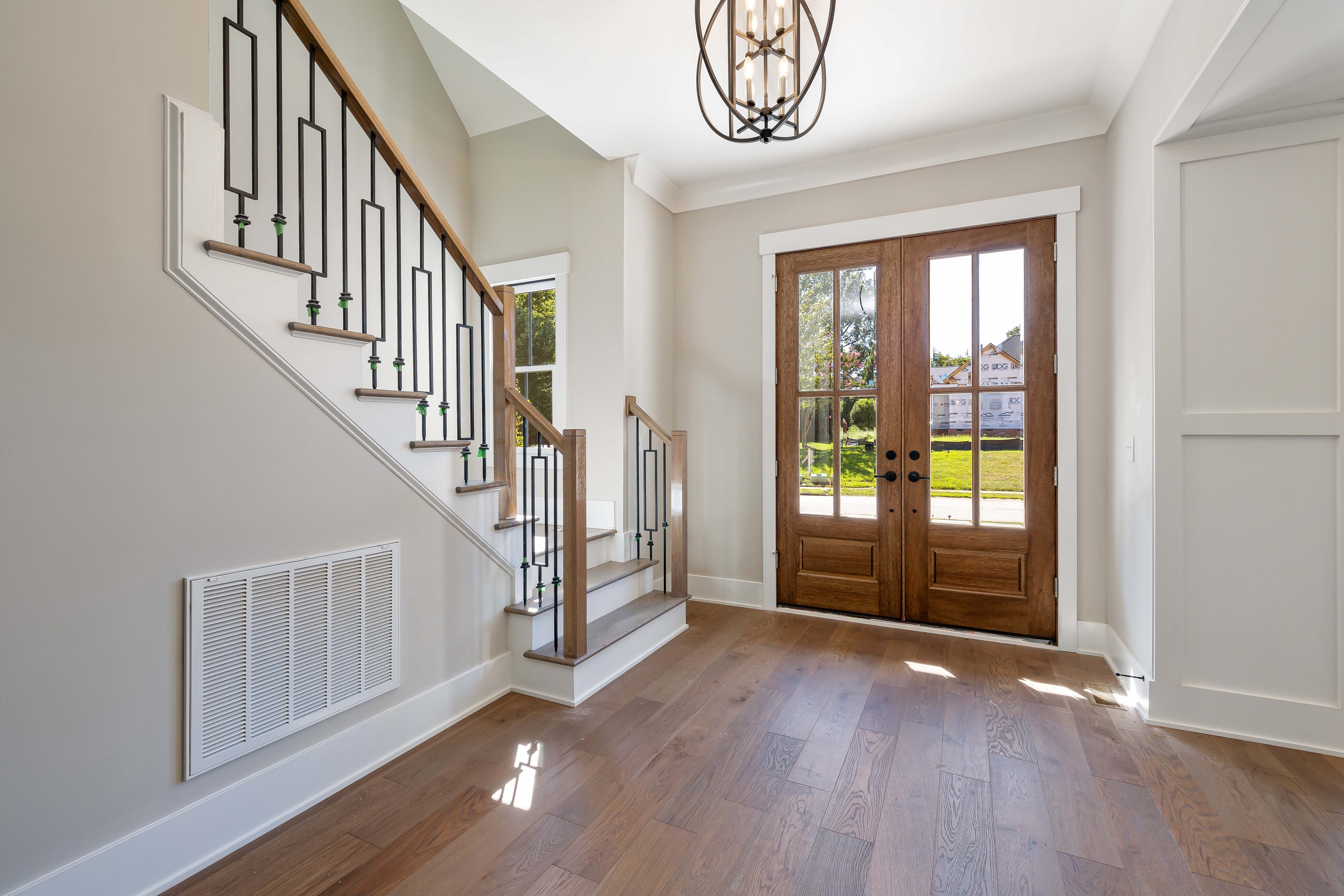
A home owner can make the most important investment is the renovation of the whole house. If you update an aging property, improve the functionality, increase energy efficiency and prepare for futuristic needs is completely a full home renovation. These can dramatically improve the appearance and increase the property value.
Instead of remodeling the individual rooms, upgrading multiple systems, living spaces and structures will be a comprehensive whole house renovation. Even though the process is complex but a profession support and proper planning will help the homeowners to achieve exceptional results without costly mistakes.
According to many homeowners, renovation of an existing home gives better value than purchasing a new home, particularly in the competitive housing markets. The most common reason for the renovation of the house will be interiors modernization, updating energy efficiency and increases the value of property. Upgrading the plumbing and electrical system, expanding the living space, accommodating the growing family and creating open concept layouts are the common reasons for home renovations.
The modern trend of housing market has encouraged homeowners to renovate their house than relocate because of rising mortgage rates and limited housing inventory.
The data from the industry indicates the house renovation can cost between $100K to $400K, taking 4 to 12 months to complete the project. Renovations increase the home value by 10% to 30%, while energy efficiency improvements can save 15% to 40%.
In the part of renovation there will be a highest investment return in kitchen and bathroom, with kitchens at 50% to 80% and bathrooms at 55% to 75%. Of course, the cost and actual result will vary based on the location, property size, and the scope.
A complete house remodeling affects almost every aspect of the property. Structural enhancements could consist of removing walls, changing the layout of floor plans, strengthening the foundation, roof replacement, and improvements to doors and windows. The mechanical system upgrades electrical wiring, ventilation, plumbing, HVAC and insulation systems for the modernization of older homes. Interior upgrading projects often involve fresh kitchens, bathroom renovations, interior painting, replacement of flooring, custom cabinets, and lighting improvements.
A cohesive design for the whole property can be created by homeowners through a full renovation.
Step 1: Renovation Goals
Successful projects start with clear objectives and solve a specific problem. For example, construction project might solve: inadequate storage, poor building finish, high utility costs, poor traffic flow and inadequate work space. When planning for a project, think beyond immediate needs and consider long term needs such as a growing family, future retirement, and work flexibility. Not having a clear scope in the beginning will lead to higher costs in the later stages of the project.
Step 2: Realistic Budget
The budget planning is the most challenging feature for the house renovation. The cost categories of the budget were planning and designing: 8%, Inspection and Permission: 2%, Dismantling: 5%, Structure work: 15%, Plumbing and Electronics: 15%, HVAC: 10%, Bathrooms and Kitchen: 20%, Flooring and Finishes: 15% and Contingency: 10%.
Professionals in the industry usually recommend maintaining a contingency reserve budget of 10 % to 20% to handle unexpected problems beneath floors, behind walls, or within older systems.
Step 3: Choosing Right Professionals
For a house renovation we require a team of experienced professionals. They are general contractor, architect, interior designer and structural engineer. The general contractors will be the in charge for the building and subcontractors. The architect will create plans for the layout changes. An Interior designer helps in selecting furniture, colors and improves the appearance of home, while the structural engineer ensures that the building remains safe.
While choosing the contractors, always ask whether they are licensed and insured, check they can provide references, what is their timeline, how they can handle the changes and what are the warranties they can offer?
Step 4: Permits & Approvals
Most whole- house renovation projects must obtain the necessary permits before the construction can begin. The most common permits you will need covers the building, electrical wiring, plumbing, heating and cooling systems, and structural changes. If permits are not acquired, there can be financial consequences, and the selling of the house can become legally complicated. The homeowners’ association may need to approve the design plans before any work can begin.
Step 5: Preparing for the Construction
Living in the house during renovation can be difficult. Most of the homeowners move to another place during renovations that include kitchen demolition, removing the bathroom, structural changes, or shutdowns of power. It is suggested to cover the furniture's, taking away valuables, renting storage units and securing documents safe. A Proper planning reduces inconvenience and keeps personal belongings protected.
Step 6: Demolition & Structural Work
The first stage usually involves demolition work. Common activities include floor tearing, wall removal, cabinet removal, fixture demolition, and roof removal if it is necessary. After demolition is completed, contractors assess the underlying conditions. Old electrical wiring, leaking pipes, water-related damage, the spread of mold, cracks in the foundation, and termite-related damage are the hidden issues uncovered during renovations. Identifying these problems early allows for corrective measures before construction begins.
Step 7: Home Modernization
One of the best benefits of a full renovation is improving essential infrastructure. The old homes do not have sufficient capacity to meet today's technological needs.
Typical modern upgrades may consist of smart electrical wiring, upgraded service panels, added circuits, provision for EV charging.
The renovation works often replace old pipes and fixtures to make them work better and more reliably. HVAC improvements in the modern systems provide improved comfort, better indoor air quality, more efficient energy use, and lower energy cost. These improvements support to long-lasting savings and homeowner happiness.
Step 8: Energy Efficiency
Energy saving homes are attractive to buyers and helps in cut operating expenses. LED light fixtures, advanced insulating material, automated thermostats, heat pump installations, infrastructures prepared with solar and energy-saving windows are the common upgrades in renovation.
Potential Energy Savings
An old home has baseline energy usage meanwhile partial efficiency upgrades can provide savings up to 15 to 25 percentage, while a comprehensive efficiency upgrade can achieve savings of 25 to 40 percentage. Energy efficiency has become a top renovation focus because utility costs keep increasing.
Step 9: Cooking and Washroom
Kitchen and bathroom normally offer greatest impact on day-to-day living and property resale value. Smart home appliances, oversized kitchen islands, large storage pantries, quartz countertops, customized storage systems are the common features in modern kitchens. Homeowners mostly prefer step-in showers, floor heating system, dual- sinks vanities, and luxury spa design in their bathrooms. In overall renovation, kitchen and bathroom spaces become the main attraction.
Step 10: Interior planning & finishing details
Aesthetic becomes the focus once the main works are finished. Major finishing selections consist of wall colors, floor surface materials, storage units, counter surfaces, doors, fittings, lighting features, and moulding details. Unified and expertly styled appearance across the house is achieved through uniformity in design.
Changing homeowner preferences are promoting faster growth in the renovation industry. Flexible rooms & home office areas, spacious open areas, accessibility modifications, health focused design, outdoor gathering spaces and smart home connectivity are current remodeling trends in 2026. These design trends indicate changing lifestyle and growing focus on lasting functionality.
Although well-structured, projects can still meet challenges. Major renovation mistakes include making design changes during the project, inaccurate cost estimation, hiring contractors based solely on price, failing to consider future needs and avoiding professional design support. By avoiding these mistakes, we can enhance both satisfaction of the homeowner and get success in project.
Expected ROI
Not all renovation choices should be based solely on resale value, but many upgrades still provide strong returns. High- value renovation improvements include remodeling of kitchens, upgrading bathroom spaces, future smart home technologies, renovation of floor areas, energy-saving improvements, replacement of window units and exterior improvements. Along with financial benefits, homeowners often receive benefits from usability, enhanced comfort and overall well-being.
The renovation industry is being reshaped by technology and sustainability. Latest innovations include smart home automation using AI, systems with net-zero energy, solutions for integrated renewable energy, systems for conserving water, sustainable construction materials and modern insulation systems. Whole house renovations are predicted to remain among the most profitable home improvement projects as long as homeowners continue to place prioritize on comfort and efficiency.
Conclusion
House renovations give a chance to change the existing property completely without the hassle of moving. A complete renovation that includes structural modifications, personalized living space and up-to-date kitchen can considerably enhance both property value and life style quality.
Successful outcomes are based on professionals, planning, a well-defined understanding of objectives and budgeting. All homes deserve to be as elegant and useful as you have planned. With the proper planning and consideration, renovations will always provide you a good return on investment.
