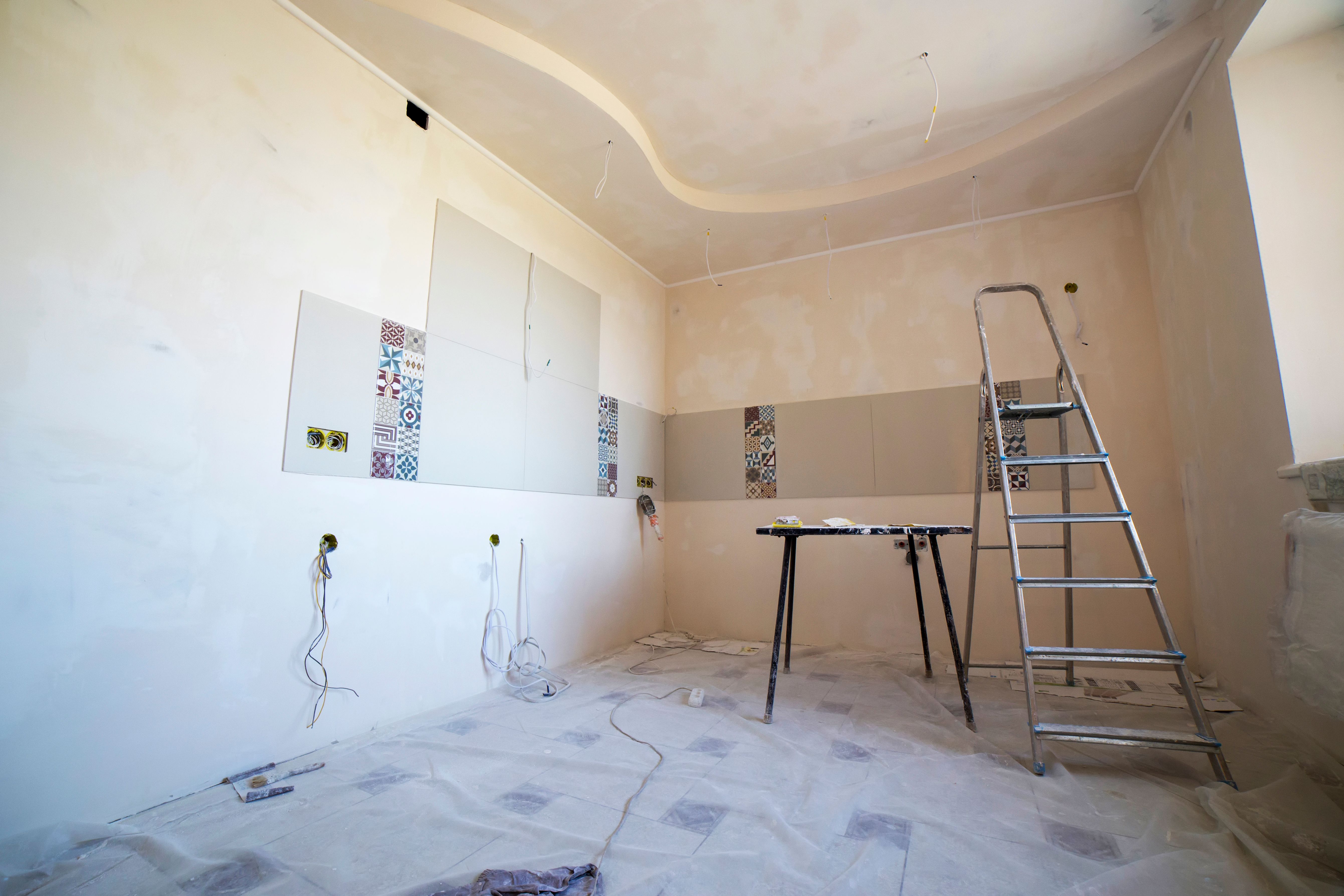
Beyond aesthetics, the home remodeling industry continues to evolve in 2026 as homeowners are investing in a renovation that improves functionality, wellness, efficiency and long-term property value. The remodeling projects are reshaped by change in work habits, rise in construction costs, sustainable goals and advancement in home technology.
Earlier years, prioritized luxury upgrades, 2026 remodeling trends focus on layouts design , a measurable return on investment and living environments that are smarter.
The homeowners are increasingly choosing to renovate than relocate due to housing affordability pressures and limited inventory in many markets. Increase in resale value, improving everyday functionality, lowering energy expenses, remote/ hybrid work support, expanding usable living areas, and creating healthier indoor environments are the top motivations driving remodeling decisions.
Kitchen renovation and energy efficiency upgrades shows a very high homeowner interest, while bathroom remodeling, outdoor living expansion, and smart home integration attract high interest, and whole-home layout updates receive moderate to high interest.
Functionality accounts for 35%, followed by energy savings at 28%. Home value at 18%, comfort at 11%, and aesthetics at 8%.
Usually Single purpose rooms are rapidly disappearing as homeowners now expect rooms to serve multiple functions throughout the day. Examples include living rooms combined with workspaces featuring integrated desks, hidden storage, and acoustic separation. Guest rooms paired with fitness areas using fold-away furniture systems and dining rooms designed as collaboration spaces with convertible layouts along with adaptable lighting.
In renovation projects, design flexibility has become a major value indicator.
Improving energy efficiency is no longer considered as an optional upgrade. Remodels in 2026 increasingly include window systems that reduce heat, insulation improvements, high-performance roofing, systems for energy monitoring, and climate control with smart technology.
Areas of Energy Focused Remodeling
The replacement of windows helps to reduce heat transfer and upgrades of insulation improve thermal control. Efficient lighting reduces electricity use and smart thermostats help lower operating costs. Both operating expenses and comfort can be improved through energy-conscious remodeling.
In residential properties the kitchen remains the most frequently remodeled space. Oversized islands that support cooking, dining, and social interaction. Layered lighting that combines task lighting with ambient illumination and concealed storage that provides a minimalist appearance with greater storage capacity are the recent kitchen trends.
In addition, the trends include the use of mixed materials such as natural wood combined with engineered finishes and seamless appliance integration to create visual continuity. Improving usability while reducing visual clutter is a key objective of modern kitchen design.
Most Requested Kitchen Features in 2026:
Large islands lead current kitchen trends, followed by hidden storages, smart appliances, integrated lighting, and open shelving.
Physical and mental well-being are increasingly influencing homeowners' design choices. Windows with larger dimensions, indoor air quality improvements, acoustic performance improvements, indoor green plants, and materials from natural sources are among the features of popular wellness upgrades.
Wellness-focused home design includes circulation of air, finishes with low emissions, daylight from natural sources, a relaxed dedicated spaces, and interiors with reduced noise. The concept of “healthy homes” is continuing to grow across remodeling markets.
Rather than being added later, smart technology is increasingly built into construction. The popular integrations include control based on occupancy, security systems with smart technology and lighting with automation. Systems with voice capabilities, energy monitoring dashboards, and reduction of leaks are also part of the smart homes.
Convenience and efficiency have become the primary focus instead of novelty.
The outdoor remodeling remains among the strongest remodeling categories in 2026. Outdoor kitchen is now designed for cooking and entertainment. Covered patios that extend seasonal usability, glass walls with sliding option can strengthen the indoor-outdoor connection and fire features create year-round gathering spaces are the features of trending additions.
The perceived size of a home is increasingly influenced by outdoor upgrades.
The Color palette preferences continue shifting toward calm, natural environments. The colors like clay tones, sand beiges, warm white, natural oak and soft olive are the popular choices. They are preferred over trend-heavy finishes and the designers favor timeless palettes.
One of the most common homeowner frustrations is storage shortages. Cabinetry with hidden storage, organization systems with full height, storage beneath the stairs, storage integrated into furniture, and wall units with built-in features are recent storage trends in 2026.
Openness is getting increasingly popular in successful remodels.
Industry News and Market Conversations
Project management and digital planning are increasingly adopted by contractors due to rise in labor efficiency expectations overall. Durability and lifecycle value are leading homeowners to take a more strategic approach to material selection. Moderate space expansion is achieved as remodeling focus on maximizing existing square footage rather than building larger homes.
Renovation methods focused on resource-conscious and lower waste practices continue to be emphasized by designers and builders. Long term benefits and cost control are guiding homeowners to become more selective, as indicated by industry talks.
The Budget allocation includes structural work 20%, finishes 25%, mechanical systems 15%, appliances and fixtures 20%, and 20% for labor. By region and project complexity, actual budget allocations may vary.
Ignoring storage needs in open spaces, underestimating hidden costs by failing to plan contingency budgets and chasing short-term trends instead of choosing durable design decisions. Prioritizing appearance over function instead of choosing designs that support everyday use and over automating spaces when technology should simplify rather than complicate daily living.
Conclusion
Trends in home remodeling for 2026 reflect a shift toward practical luxury where home looks luxurious but brings improvements in terms of comfort, efficiency, flexibility, and long-term value. Size alone no longer defines the strongest renovation projects. They have succeeded as a result of their adaptability to modern lifestyle, improved operational performance, and creation of homes that will be relevant for many years to come.
The homeowners who focus on adaptable design, functionality and energy efficiency are likely to see the greatest return from their investment as remodeling priority continues to evolve.
