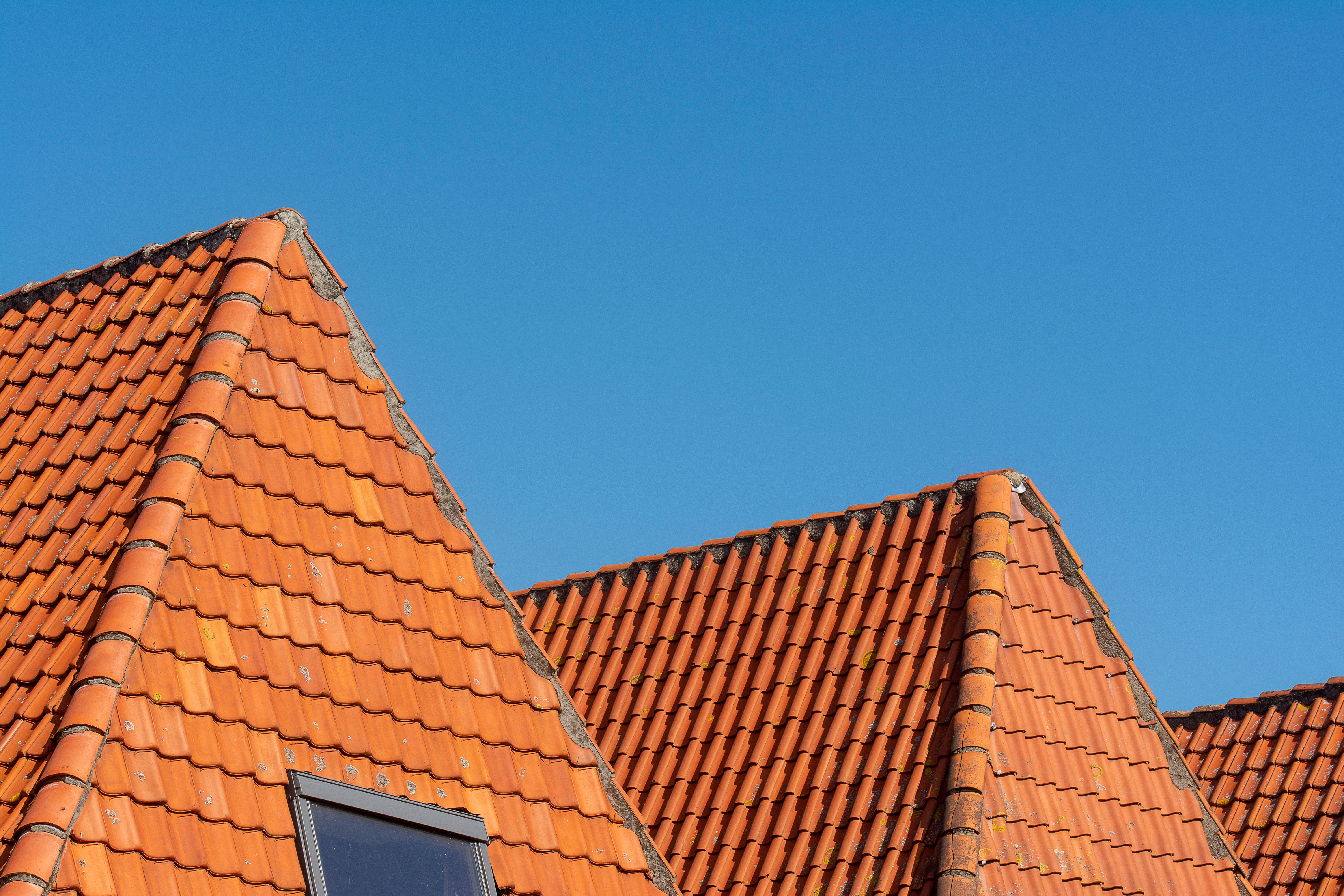
Your roof protects your property from weather, change in temperature, moisture & structural damage. Your roof is one of the most important parts of your home. With repairs and frequent maintenance, the roof's life can be extended, but the roofing system comes to a point where a replacement cannot be ignored. The replacement will become cheaper than the ongoing repair.
If you notice the leak, mold, or interior damage, many will not realize that their roofs are failing. If you understand the warning signs of your roof, you can estimate the extent of damage of the roof, and it can prevent costly repairs and you can protect your home's value.
Not only the exterior appearance of a home can be affected because of a failing roof, it also has a lot of areas that you are risking because of delayed replacement. If the roof is not fixed immediately, there will be risks of water intrusion, growth of mould, structural damage, energy costs might increase, and deterioration of insulation. This will lead to the reduced property value and even insurance claims will be complicated. As per industry estimates, the water damage from the roof will cost thousands of dollars, which is costlier than replacing the entire roof.
Average roof lifespan:
There are many roofing materials, and those roofing materials have different expected life. A typical roofing lifespan is as follows. Asphalt shingles has an expected lifespan of 15 to 30 years, whereas the architectural shingles has 25 to 40 years.
If we have a sound metal roofing, it will last for 40 to 70 years, and a tile roofing will last up to 50 to 100 years. The highest lifespan goes to the slate roofing, which has 75 to 150 years- which is also expensive, but the wood shakes will last only for 20 to 40 years.
The real actual life of the roof is solely dependent on the quality of the installation, climatic conditions, proper maintenance, and adequate ventilation.
Sign #1 Roof age exceeds expected lifespan:
The age of the roof is the right indicator that the replacement of roof is inevitable and the time is approaching. As per the general rule, if we have a asphalt single roof and it is 15 to 20 years old, we have to monitor it closely. When it reaches 20 to 25 years, we have to schedule a professional inspection from an external team. And if it has exceeded 25 years, the replacement must be done even if you cannot see any visible damages. Older roofs are risky and it has huge vulnerability to the weather-related failures.
Sign #2: Damaged or Missing Shingles:
We have to identify if the roofing material is damaged. If you find any damaged pieces, then it is an earlier warning sign. The common problems which we can observe is singles which are missing, singles which are cracked, torn shingles, curling edges, and the broken tabs. These issues might lead to exposure of moisture to the roof deck and increase deterioration. Even if you miss a few singles, it can lead to significant infiltration of water.
Sign #3: Buckling or Curling Shingles:
Shingles lose flexibility as they age. The typical symptoms of aging shingles are edges curling upward, lifting of the corners, distortion of the surface, and a wavy appearance. The curling of shingles is often caused by excessive heat, age of the roof, exposure to moisture, and poor ventilation from attic. If you see widespread curling in your roof, you have to replace the entire roof rather than fixing only isolated parts.
Sign #4: Granules in the gutter:
The protective mineral granules form the asphalt shingles. Over the period of time, the granules begin to detach. The warning signs for these issues, you can see the granules accumulating in the gutters, more and excessive granule loss near the downspouts, and bare spots on the shingles. The granules which protect you from the UV radiation, moistures, and temperature extremes, without them, the damage of the roof will happen faster.
If there is a heavy loss of granules, then it signals that your asphalt roof is in the final stage of its lifespan.
Sign #5: Water Leakage:
Intrusion of water is the most serious roofing failure. The common symptoms in the interior of the home are stains in the ceiling, peeling of paints, wall discoloration, damp insulation, and growth of mould. If you see visible interior leaks more often, then the roofing problems have been affecting you for a long time. The areas we have to constantly check are the attics, the upper-level ceilings near chimneys and skylights. Also, we have to check around the roof penetrations.
Sign #6: Sagging of roof structure:
If you see a sagged roof, that is a major structural concern, and it has to be acted upon immediately. The causes of the sagging roof are long-term damage because of the moisture, the rotting of roof deck, and the structural deterioration. Also, we have to check if the roof has excessive loads. The visual warnings of a sagging roof is a healthy roofline will appear straight, but if the roof looks sunken, drooping, and uneven, we have to seek professional evaluation immediately.
Sign #7, pricing energy bills:
Homeowners never connect the energy efficiency with the roofing performance, but in reality, the roofing affects your utility cost. If your roof is deteriorating, people have heat loss during winter and heat gain during the summer. The leakage of air and the intrusion of moisture also happens when the roof is failing. The poor ventilation of the attic also adds to these issues.
The energy impact of the roofing condition vs energy efficiency. If the roof is new, the energy efficiency will be excellent. And if the roof gets into a moderate wear and tear, it goes into a good energy efficient home. But an aging roof will have a fair efficiency. But when you find that the roof is failing, the energy efficiency will be poor. So, when you get high energy bills, you also link this to your roofing problems. And if you replace the roof, it will immediately improve the energy performance.
Sign #8: Algae, moss, and mold growth:
This growth is more than a cosmetic concern. The common roof coat consists of algae, lichens, mold, and moss. These organisms are known to retain the moisture against the roof. Long-term effects of these growths are deterioration of shingle, rotting materials, reduction in lifespan, and structural damage. If the growth is persistent, it means the roof is aging and the drainage conditions are poor.
Sign #9: Frequent repairs:
Roofs undergo repairs and the occasional repairs are completely normal. But when the repairs are repeated again and again, and it becomes financially inefficient, the warning threshold of the repairs, if you are repairing every year or every major storm season, the replacement of the roof will give you a better value than repairs. Every year repairs becomes the warning threshold. The cost comparisons of scenarios against the typical cost. The annual repairs which amount to $500 to $2,500 and major repairs cost from $3,000 to $10,000. The full replacement includes higher cost of installation, but the long-term risk becomes lower. If your repair cost approaches around 30 to 50% of the total replacement cost, many professionals recommend to change the entire roof rather than repairing it.
Sign #10: Storm damage:
Severe weather is one of the leading causes of roof replacement in USA. The common weather conditions include high winds, hailstorms, hurricanes, falling of tree limbs, and heavy snow load. There is a checklist which has to be inspected after the storm. We have to check for the missing singles, flashing damage, cracked singles, and gutter damage. The inspection should also look for water intrusion and structural concerns, if any. If there is any hidden damage, the inspections will identify that so that we can fix it before it gets worse.
Roofing trends and industrial news:
The roofing industry, just like any other industry, is evolving with latest technologies and much improved materials. Impact resistant roofing, there is a growing demand for hail resistant shingles with enhanced wind ratings. It has improved performances during the storm and many insurance companies Favor these impact resistance roofing systems to your home.
Energy-efficient roofing:
The modern systems have reflective coatings, better ventilation, and cool roof technologies. Also, solar integration increases your sustainability of energy and improves the comfort levels. At the end, you have reduced utility costs.
Sustainable roofing materials:
Right now, manufacturers are heavily investing in longer-lasting materials, roofing products which can be recycled, and products with lesser environmental impact. Sustainability is the buzzword for the future, and it continues to dominate the purchasing decisions of the homeowner.
The replacement costs generally vary by the size of the roof, type of the material, labor rates, location of the property, and the complexity of the roof. The typical cost ranges based on the roofing materials are asphalt shingles cost around $5,000 to $20,000, architectural shingles around $8,000 to $30,000. The metal roofing, which is sound, costs around $12,000 to $50,000, whereas the tile roofing costs around $15,000 to $75,000. The costliest is the slate roofing, which is around $25,000 to $150,000. If the material is costlier, which means the materials are of premium quality, and they provide higher lifespan and improved durability.
There are two types of inspection done on the roof. One is exterior and another is interior. The exterior checklist includes curling and missing shingles, loss of granules, moss growth, flashing damage, and sagging areas. Whereas, the interior checklist includes mold growth, water stains, insulations which are damp, light visible through the roof boards of the attic, and unusual drafts. If you do an annual inspection, we can identify the problems before a major damage occurs.
Conclusion:
The roof provides critical protection to you and your family, and if you find the warning signs, you can save a lot of money in future repairs. You can save thousands of dollars by inspecting on a regular basis. The missing shingles, gravel loss, curling of materials, leaks, sagging of the roof, biological growth, and rising utility bills are all indicators for a roof which is failing. Age is an important factor and it is approaching its lifespan. We can repair few issues then and there occasionally, but when the roofs are aging, we reach a point where the replacement becomes inevitable. It will be a wise economic decision and a reliable solution for your home. If you regularly inspect your roof and act accordingly whenever the warning signs appear, we can protect the property, improve its value, increase energy efficiency, and insurance eligibility can be maintained. If you have a proactive plan to replace your roof, it is much cheaper than dealing with a major threat of roof failure.
