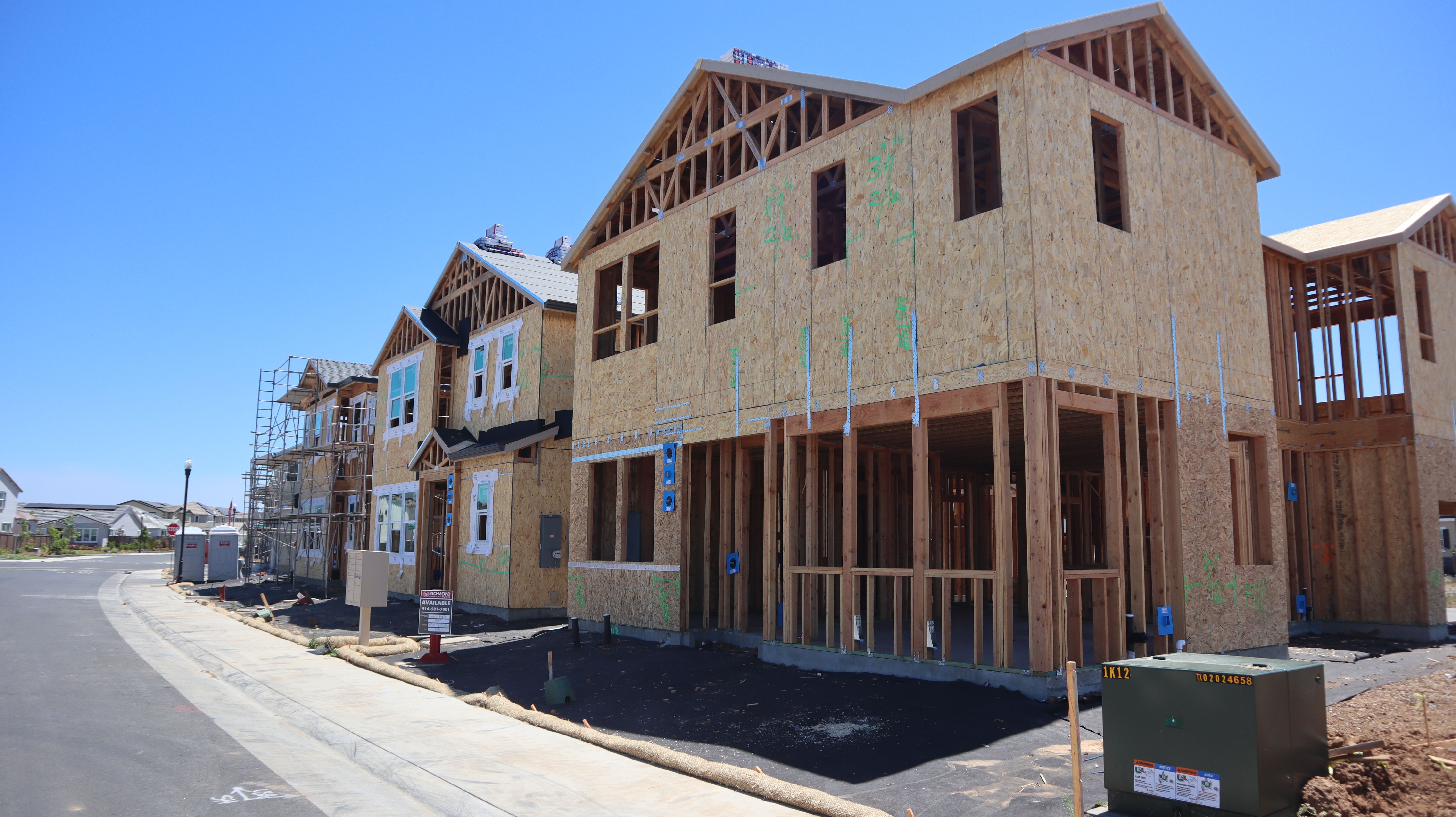
Building a custom home, remodeling of yourkitchen, adding up an extra floor, or renovating commercially, there is oneprofessional plays a central role in bringing the project to life —the GeneralContractor (GC). The entire process of construction takes place under theguidance of a general contractor who sees to it that there is coordination inrelation to people, materials, schedules, budgets, permits, and inspections forsuccessful completion of the project safely, on time, and according to plan.
Hiring an experienced general contractorcan reduce the stress; improve the quality of construction, and helps to avoidthe costly delays for the business owners and homeowners. According to the U.S.Bureau of Labor Statistics (BLS), it is projected that employment inconstruction management will be grown faster than the average for alloccupations through the next decade, with continued demand for residential,commercial, and infrastructure projects being reflected.
To improve project delivery, continuedinvestments in workforce development, sustainable building practices andtechnology are being made by contractors, as reported by the Associated GeneralContractors of America (AGC). The roles and responsibilities of a generalcontractor, why they are essential to successful construction projects, and howmodern construction management is evolving are explained in this guide.
All aspects of a construction or renovationproject are managed by a general contractor, who is the responsibleprofessional. The primary point of contact between the architects,subcontractors, suppliers, property owner, local building authorities andengineers is served by them.
Schedule contracts work on projectstructures, addition of homes, construction of custom homes, renovation ofwhole house, and remodel of kitchen and bathrooms. They also work on renovationof offices, facilities for industrial use, accessory dwelling unitconstruction, spaces for retail, and construction of commercial buildings. Thegoal is to deliver a project that meets the approved design, budget, applicablebuilding codes and timeline.
Hundreds of individual tasks are involvedin a successful construction project. These activities are coordinated by thegeneral contractor from beginning to end.
1.Project Planning
Careful planning is undertaken at the startof every project. The responsibilities include the development of projectschedules, construction cost estimation, the identification of constructionrisk, the planning of procurement timelines, and the review of architecturalplans.
Delays are minimized, and realisticexpectations are established through proper planning before work begins.
2.Budget Management
The project is kept within budget as one ofthe contractor's most important responsibilities. Typical duties includematerial ordering, cost estimation preparation, change order tracking, laborcost control, and subcontract payments management.
Cost-saving alternatives are alsorecommended by experienced contractors without compromising quality or safety.
3.Hiring and Managing Subcontractors
Multiple specialized trades are requiredfor most construction projects. A general contractor coordinates professionalssuch as roofer service, electrician service, concrete contractor service, andHVAC technician service. It also includes painter works, carpenter services,landscaping work, tile installer services, and cabinet installation works.
These trades must be scheduled efficientlyto maintain project momentum.
Infographic:General Contractor Project Network
The general contractor project networkconsists of the relationship between the homeowner and the general contractor,who communicates with the architect, engineer, electrician, plumber, HVACtechnician, carpenter, painter, roofer, flooring specialist, and supplier toensure that the project is completed successfully.
4.Obtaining Permits
Permits are often required for constructionprojects before work can begin. The general contractors typically handleobtaining the permits of plumbing, grading, electrical, building, andmechanical works.
Compliance with municipal requirements isensured and delays are reduced through their familiarity with localregulations.
5.Scheduling Construction
A carefully planned sequence is followedduring construction. Typical scheduling responsibilities include completion offraming work, installation of insulation, completion of foundation work,completion of demolition, and installation of drywall.
Thecompletion of exterior work & interior finishes, installation of mechanicalsystems, and conducting final inspections are also included in schedulingresponsibilities. Schedules are continuously adjusted by contractors toaccommodate weather conditions, material deliveries, inspections, andunforeseen site conditions.
6.Quality Control
The homeowner's investment and thecontractor's reputation are protected by quality workmanship. Generalcontractors regularly inspect work to ensure compliance with code, integrity ofthe structure, installation performed properly, consistency of finishes, andcompliance with code.
Costly repairs after project completion areprevented through quality control.
7.Job Site Safety
Safety is given top priority on everyconstruction site. General contractors implement procedures including provisionof fall protection, conduct of daily safety meetings, use of personalprotective equipment, planning of emergency response, and conduct of hazardassessment.
Accidents are reduced, and compliance withworkplace safety regulations is supported by maintaining a safe job site.
8.Communication
Clear communication among everyone involvedis maintained as one of the contractor's most valuable roles. Deliveries ofmaterials, schedule changes, progress of construction, budget status, andresults of the inspection may be included in regular updates.
Projects are kept moving forward, andmisunderstandings are prevented through proper information sharing.
A typical construction workflow involvesseveral stages, with construction taking the largest share of the projecttimeline at approximately 50%, followed by design and permits at around 10%each, inspections at about 15%, planning at 5%, final walkthrough at 5%, andproject completion at 5%.
Technical knowledge is combined withleadership and organizational abilities by successful contractors.
Important skills include:
ProjectManagement
Documentation, schedules, budgets, andsubcontractors are managed.
ConstructionKnowledge
Structural systems, materials, and buildingmethods are understood.
Leadership
Multiple teams are coordinated, andproductivity is maintained.
ProblemSolving
Design conflicts, weather delays, supplyshortages, and unexpected structural issues are resolved.
FinancialManagement
Profitability is maintained, project costsare controlled and expenses are tracked.
Communication
Suppliers, homeowners, subcontractors anddesigners are kept informed throughout construction.
Digital tools are increasingly relied on bygeneral contractors to improve efficiency and transparency. The populartechnologies include the conduct of drone site inspections, use of buildinginformation modeling, use of laser measurement tools, and use of mobileinspection applications.
It also includes the implementation ofelectronic document management, use of cloud-based project management software,and use of digital scheduling platform. Collaboration is improved, errors arereduced, and homeowners are provided with greater visibility into projectprogress through these tools.
CurrentIndustry Trends
Changing market demands continue to be metas the construction industry evolves.
Design-BuildServices
Integrated design-build services are nowoffered by many contractors, with architecture, engineering, and constructionbeing combined under one contract for improved coordination.
SustainableConstruction
Builders increasingly incorporate heat pumpHVAC systems, low-VOC paint products, solar-ready electrical systems, recycledbuilding materials, and energy-efficient insulation systems.
SmartHome Construction
The homeowners frequently request homesecurity systems, automated lighting systems, whole home networking systems,electric vehicle charging systems, and smart thermostat systems. Theinstallation of these systems is coordinated by general contractors duringconstruction.
ModularConstruction
Quality control is improved andconstruction time is reduced through the use of prefabricated roof trusses,modular building components and wall panels.
Several advantages are provided by hiring alicensed general contractor, although project management is considered by somehomeowners. The benefits include coordination of permits, improved scheduling,professional management of the project, access to qualified subcontracts, andcompliance with building codes.
Warranty support, higher quality ofworkmanship, management of the budget, and reduction of the construction riskare also included in benefits. Potential issues are also identified byexperienced contractors before they become expensive problems.
Choosingthe Right General Contractor
Before hiring a contractor, it is importantto request for client references, understanding of payment schedule,verification of license and insurance, review of previous projects. Review ofwarranty terms, comparison of detailed written estimates, ensuring clearcommunication expectations, and confirmation of project timelines are alsoshould be analyzed while choosing contractors.
Higher long-term costs may be incurred bychoosing a contractor based solely on the lowest price if workmanship orproject management is found to be inadequate.
Benefitsof Working with a General Contractor
Value far beyond construction labor isdelivered by a qualified general contractor. The benefits include professionalmanagement of scheduling, better control of costs, reduction of delays,improvement in workmanship, and streamlined coordination of the project.
Italso includes higher confidence of homeowners, efficient management of permits,increase in property value through quality construction, and compliance withbuilding codes. Every phase of the project—from planning to final inspection—iscompleted efficiently and professionally with the help of their experience.
Conclusion
Every successful construction or remodelingproject involves a general contractor who acts as the driving force behind thesuccess of the whole project. Through schedule management, permitting,budgeting, subcontractor management, safety, quality assurance, and inspection,a complex project is guaranteed to be completed efficiently and in compliancewith local building regulations.
With the continuous adoption of digitaltechnology, sustainable building methods, and project management techniques inthe construction industry, the importance of the general contractor continuesto increase. No matter if you are planning a custom home, adding space to anexisting one, renovating your kitchen, or developing commercially, partneringwith a licensed and experienced general contractor will bring you all theskills, organization, and direction necessary for making your ideas come true.
