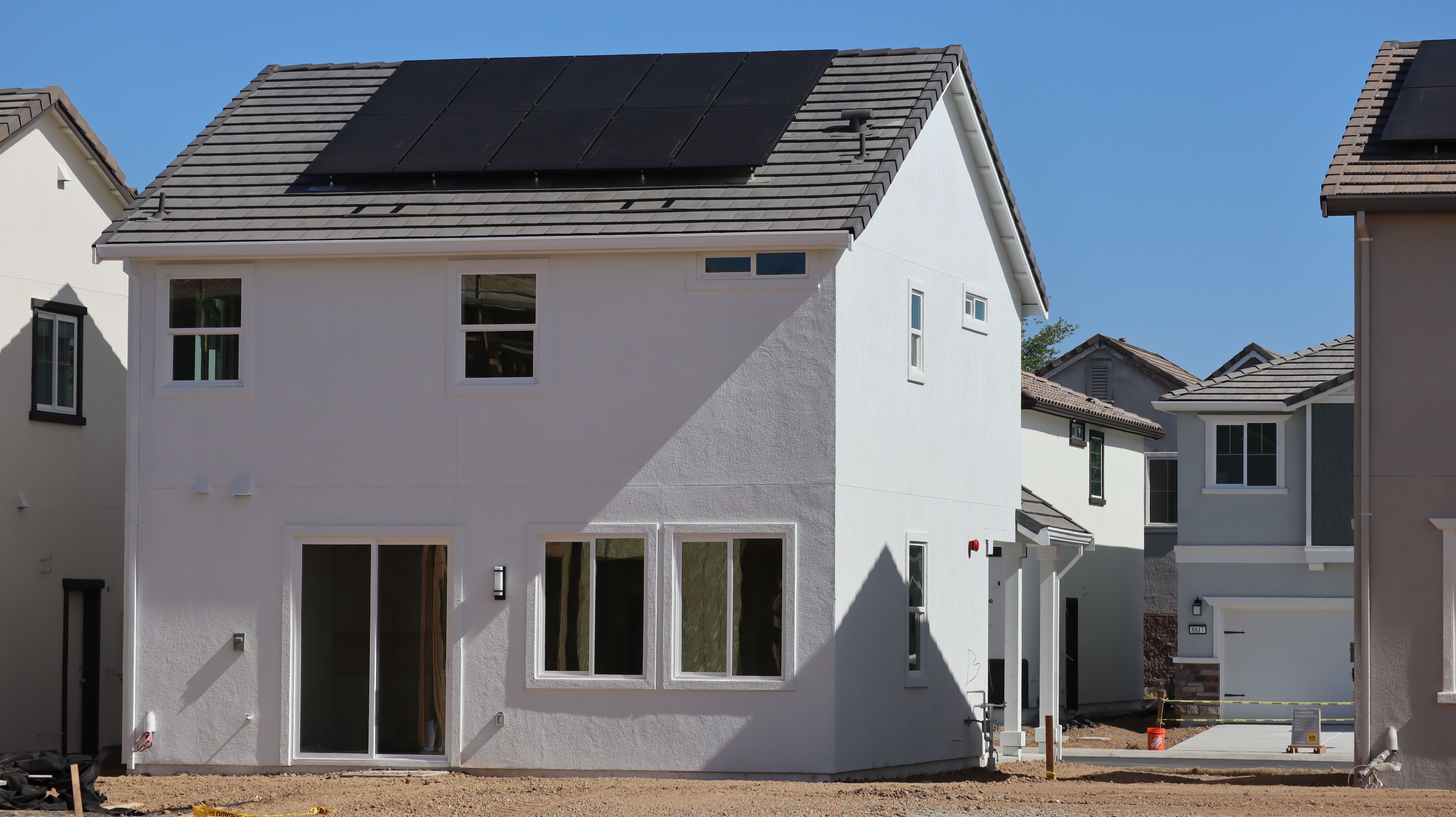
For homeowners the home renovation projects have become one of the fastest-growing investments in home improvement and property enhancement. With proper planning for renovations, homeowners can increase long-term property value, improve overall comfort, modernize their homes to changing lifestyle and upgrading older structures with updated features requirements.
Still many projects experience delays despite careful planning, along with design issues, expensive corrections and budget overruns after completion. According to various reports in the industry, due to poor planning the renovation costs frequently exceed initial expectations, unexpected project scope modifications, contractor-related issues during construction and hidden structural problems within existing buildings.
Budget alone rarely determines the success of a renovation, as it also depends on proper sequencing, careful preparation, realistic expectations and long-term decision-making. As homeowners can maximize their long-term return on investment and reduce costly renovation setbacks by avoiding most common and preventable renovation mistakes discussed in this comprehensive guide.
Before construction even starts, many renovation failures already begin. The renovation failure results from incomplete planning, unrealistic budget, hiring contractors based solely on price, poor communication, change in design during construction and the failure to obtain required inspections and permits early.
Few delays and lower correction costs are typical in projects that start with detailed planning.
Top renovation warning signs include the absence of a written project scope, selecting a contractor solely based on the lowest bid, an unfinished budget and failing to maintain a contingency reserve. Additional red flags include multiple design changes during the project, ignored permit requirements, project timelines that appear unrealistic and delayed material selections.
Beginning a renovation project with demolition or construction without a detailed and finalized project plan is one of the biggest and most costly renovation mistakes. The renovation plan should clearly define the project scope by specifying what will change, finalizing layout decisions for room dimensions & functionality, selecting material before construction begin and setting realistic timelines with achievable milestones ahead.
Midway plan changes create delay in labor work, scheduling conflicts, increase in project costs and wastage of material. The smoother execution becomes when more decisions are made upfront.
Homeowners often budget only for visible work, causing renovation costs to increase. The hidden expenses most commonly include upgrades to electrical systems, plumbing system replacements, structural repair works, permit costs, material delivery charges and waste disposal fees.
Recommended Budget Structure:
Construction accounts for 70% of the recommended budget structure, while finishes and fixtures account for 20% and the contingency reserve accounts for 10%. Usually, the contingency reserve helps absorb unexpected discoveries behind walls and under floors.
The price should never be the one means selection factor for selecting the contractor. Low bids sometimes exclude, cleaning services, project management, material allowances, labor quality and handling permits.
Proper contractor evaluation should include references, experience, licensing, portfolio review, communication quality and warranty support services. Estimation with the lowest initial price can ultimately become the most expensive project later.
The underlying structural concerns within the property cannot be resolved through cosmetic improvements alone. As before starting any upgrades, evaluate the condition of the roof, water damage, foundation, load bearing walls and drainage system.
Delay in critical repairs within the home, many homeowners often spends heavily on finishes. For structural stability should always come before appearance in any renovation project.
Trends in design change quickly. Long-term flexibility may be reduced by highly customized renovations.
The examples include layouts that are highly specialized, choices of extreme colors, oversized decorative features and design themes that are short-lived. For better renovation decisions, balance the current style and timeless functionality. Always choose the materials and layouts that remain practical for many years.
Aesthetics are the primary focus of many renovation projects. The infrastructures that are hidden behind walls often remain untouched as it ages. The area’s most commonly overlooked are plumbing work and electrical work.
Electrical works include upgrades to the service panel, expansion of circuits, and placement of outlets, while plumbing works include systems for drainage, performance of water pressure and supply lines that are aging. Future renovation costs can be reduced by using modernized utilities during the renovation project.
Better living experiences are not automatically created by bigger spaces. Layout mistakes commonly include islands that are oversized, storage that is limited, insufficient lighting, conflicts between doors and poor traffic flow.
Movement, function, storage, and comfort should be evaluated before finalizing the design. Well-designed homes should support daily habits not only visual appeal.
Months of work are often compressed into short episodes by television renovation shows. The timeline for a real renovation depends on approvals for permits, the availability of labor, lead times for materials, inspection processes and conditions of the weather.
Planning leads to design, permits, demolition, construction, finishes and inspection in typical renovation phases. Fixed completion dates should be expected less than flexibility.
In terms of Improvements in energy efficiency, which often deliver value long after renovation ends. Major high-impact upgrades include lighting that is LED, improvements in insulation, thermostats that are smart, windows that are efficient and optimization of HVAC.
With enhanced comfort, reduced operating cost, and increased resale appeal are the benefits of energy efficiency. When efficiency upgrades are integrated into renovation planning, they typically perform best.
The renovation work should always align with local market expectations. Reduce return on investment by over improving beyond neighborhood standards.
In evaluating the expectations of buyers, values of comparable homes, strategy for long-term resale and local renovation trends careful analysis is required. Most expensive properties on the block are not the goal; the aim is to improve value.
The renovation cost control framework includes five stages:
During planning the scope and goals are defined, reserve funding is allocated in budget, design - lock the decisions early, monitoring the construction progress weekly and successful completion of the final inspection. The rework can be minimized by following a structured process.
Modern Renovations & Industry Trends shaping
Home renovation priorities continue to evolve. Market trends currently include sustainable materials driven by the need for lower-impact products; multi-functional spaces designed for work/ living and smart home integration which features lights and automation.
In addition, outdoor living expansion with greater investment is usable for exterior areas and aging-in-place design, which focuses on accessibility improvements in trend.
The professional renovation checklist before starting includes defining renovation objectives, building a realistic budget, securing permits, creating a contingency reserve and verifying contractor qualifications. It also includes upgrading hidden infrastructure, documenting every project change and confirming material selections.
Conclusion
Mistakes during planning and execution in home renovation often create unnecessary costs and frustration, even though it can transform both property value and daily living quality. Before construction begins, successful projects focus on preparation.
Stronger results come from budget maintaining, minimize the constant changes, prioritize infrastructure, and hire qualified professionals. The successful renovations are not always tough to achieve but they can be done when thoughtfully designed, carefully executed, and built to retain value for years.
