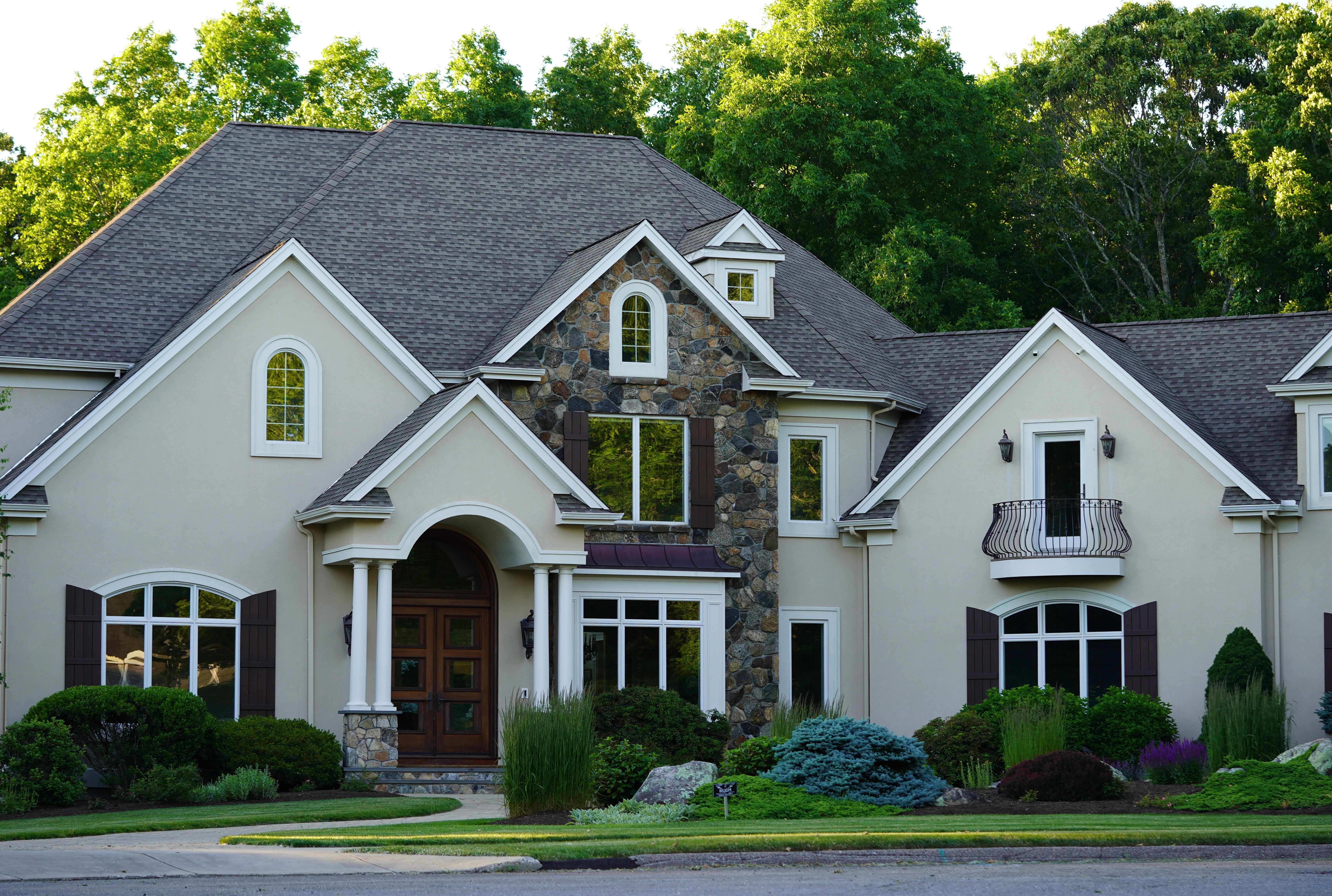
One of the smartest investments forCalifornia homeowners continues to be considered home renovation. If oneremodels the kitchen, adds an ADU, upgrades the bathroom, or does a completewhole-house renovation, then an existing house can undergo improvement byvirtue of these renovations. These renovations may increase its property value,reduce long-term maintenance costs and improve the comfort level of the house.
However, substantial capital is oftenrequired for major renovations. In the 2025 Houzz & Home Study of theUnited States, tens of thousands of dollars were invested by homeowners inremodeling projects that included kitchens and bathrooms renovations beingidentified as some of the top-ranking and most common investments.
Renovation rather than buying a newproperty has been encouraged amongst many homeowners due to rising home pricesthroughout California, particularly in expensive cities such as Orange County,Los Angeles, and San Diego. The good news is that several financing options areavailable, each with its own eligibility requirements, advantages, and costs.
The most popular ways to finance a homerenovation in California in 2026 are explained in this guide, and the solutionthat best fits your financial goals can be selected.
Limited housing inventory, elevated homeprices, and relatively high borrowing costs continue to be experienced inCalifornia's housing market. As a result, existing homes are increasingly beingimproved by many homeowners rather than being relocated from.
The common renovation projects include homeaddition projects, construction of Accessory Dwelling Units, bathroomrenovation projects, and kitchen remodeling services. It also includesdevelopment of outdoor living spaces, energy efficient home upgrades,conversion of home into office spaces, and whole house renovation projects.
Living spaces can be customized throughrenovation while long-term property value can potentially be increased.
The total project cost should be determinedbefore financing is applied for. The renovation budget should include 35 to 45%for construction labor, 25 to 30% for materials, 8 to 10% for design andengineering, 3 to 5% for permit and inspections.
Italso includes 10 to 15% for mechanical systems, 5 to 8% for landscape andexterior, and finally for contingency fund they should allocate 10 to 15%. Theinclusion of a contingency reserve is important because overall costs can beincreased by unexpected structural repairs, material price fluctuations, ordesign changes.
Option1: Home Equity Loan
Borrowing against the equity built in aproperty is allowed through a home equity loan. Approved for largeinfrastructure project, predictable monthly repayment amounts, funding providedas a lump sum, unfixed rate interest are the advantages of home equity loan.
It is best for addition of new rooms, majorstructural improvement projects, renovation of the entire home, and for kitchenremodeling work. Homeowners who have prefer stable repayment and significantequity terms often choose home equity loans.
Option2: Home Equity Line of Credit
A revolving line of credit is used in amanner similar to a HELOC. Instead of one lump sum being received, funds aredrawn as needed during construction by homeowners.
Interest charged only on the used funds, reusableline of credit during the draw period, suitable for phased renovation projects,and flexible borrowing options are the benefits of home equity line of credit. HELOCsare particularly used for projects where expenses are incurred over severalmonths.
Option3: Cash-Out Refinance
An existing mortgage is replaced with anew, larger loan through mortgage refinancing with cash access, and thedifference is received in cash by homeowners. The advantages are potentiallylower interest rates compared with unsecured loans, single monthly mortgagepayment, and access to substantial funding.
The mortgage repayment term may beginagain, monthly payment amounts may vary depending on interest rates, andclosing costs may be applicable, are the considerations of cash-outrefinancing. This option is best suited for homeowners with favorablerefinancing and strong equity opportunities.
Option4: Construction or Renovation Loan
Lenders design construction financingspecifically for major remodeling projects. Funds are typically released instages as construction progresses.
It is suitable for major structuralremodeling projects, custom home reconstruction projects, entire homerenovation projects, and construction of large home additions. Because fundsare disbursed according to construction milestones, inspections are oftenrequired by lenders before each payment is released.
Option5: Personal Loans
Smaller renovations are financed by somehomeowners using unsecured personal loans. The advantages include fixed loanrepayment schedule, quick loan approval, no property collateral requirement,and no home equity requirement.
It is best suited for window replacementprojects, interior house painting, bathroom renovation projects, minor kitchenrenovation projects, and flooring installation projects. Since these loans areunsecured, higher interest rates may be charged than for equity-basedfinancing.
Option6: Government Financing Programs
Certain renovation projects may qualify forgovernment-supported financing or incentives. The examples include heat pumpsystem installations, accessibility modification projects, solar installationprojects, energy efficient improvement projects, and water conservationimprovement projects.
Program availability is determined by thelender, utility provider, and local jurisdiction. Before construction is begun,eligibility requirements should be checked by homeowners.
Sustainable home improvements continue tobe encouraged in California. The popular upgrades include installation of heatpump HVAC system, high-performance insulation improvements, smart thermostatupgrades, and installation of solar-ready electrical systems.
Italso includes dual-pane window upgrades, Energy Star appliances upgrades,electric vehicle charging station upgrades, and water-efficient fixtureimprovements. Although upfront costs may be increased by these improvements,long-term utility bills can be lowered and overall home performance can beimproved.
Kitchen remodels represent 23% share ofrenovation project, followed by bathroom remodels at 19%, room additions at17%, ADU construction at 16%, energy upgrades at 13%, and 12% for outdoorliving improvements.
Evaluationof Applications by Lenders
Several factors are typically reviewed byloan providers before financing is approved.
These may include:
CreditScore
More favorable loan terms are often offeredto borrowers with higher credit scores.
HomeEquity
Sufficient ownership value in the propertyis required for equity-based loans.
Income
Borrowing capacity is improved by stableemployment and verifiable income.
Debt-to-IncomeRatio
Existing financial obligations areevaluated by loan providers to determine repayment ability.
ProjectScope
Loan applications for larger projects maybe strengthened by detailed contractor estimates and renovation plans. Theapproval process can be streamlined by preparing financial documents inadvance.
CurrentIndustry Trends
The home renovation financing landscapecontinues to be shaped by evolving market conditions and financing options.
RisingDemand for Renovations
Home renovations continue to be undertakenby many California homeowners due to high housing prices and limited inventory,making home improvements an attractive alternative to moving.
DigitalLoan Applications
Online applications, electronic documentuploads, and faster approval processes are now offered by many financialinstitutions.
SmartHome Investments
Homeowners increasingly finance technologyupgrades, including smart lighting systems, home automation systems, whole-homeWi-Fi infrastructure systems, energy monitoring systems, and security systeminstallations.
SustainableRemodeling
Environmentally responsible improvementsare increasingly being supported through specialized lending programs andincentives for energy-efficient upgrades by financial institutions.
Tipsbefore Borrowing
Before selecting a finance option alwayscreate a realistic renovation project budget, include a 10 to 15 percentagecontingency reserve, and obtain multiple contractor cost estimates. Moreover,verify the contractor’s license & insurance and compare the repaymentschedules, interest rates, & loan terms.
Be sure that you understand the influenceof financing on your monthly budget, and always prioritize about long-termproperty value improvements. During construction, the unnecessary stress aboutfinance can be prevented through careful planning.
The right financing method is determined byyour financial goals, available home equity, and project size. A home equityloan is suitable for large renovations with fixed costs, a HELOC is appropriatefor multi-phase or flexible projects, and cash-out refinance is beneficial formajor renovations involving substantial equity.
A construction loan is suitable forstructural remodeling or rebuilding, a personal loan is appropriate for smallerremodeling projects, and government programs are available for energy-efficientand qualifying improvements. The most suitable option for your situation can bedetermined by consulting a financial advisor or mortgage professional.
Conclusion
Financing a home renovation in Californiarequires proper planning and realistic budgeting in addition to gaining a clearunderstanding of the various borrowing options. After building an ADU, updatingthe kitchen, expanding the living area, or remodeling the entire house, thetask can be easier by using the appropriate financing method. Long-termfinancial health can also be protected through careful selection of the financingstrategy.
One can make a choice from the variety offinancing options such as home equity loans, HELOCs, cash-out refinancing,construction loans, personal loans, and available government programs, whichcorrespond to homeowners' renovation goals and budget. With the help ofexperienced contractors and energy-efficient design decisions, your house willbe changed into a more comfortable and valuable property with the help ofproper financing.
