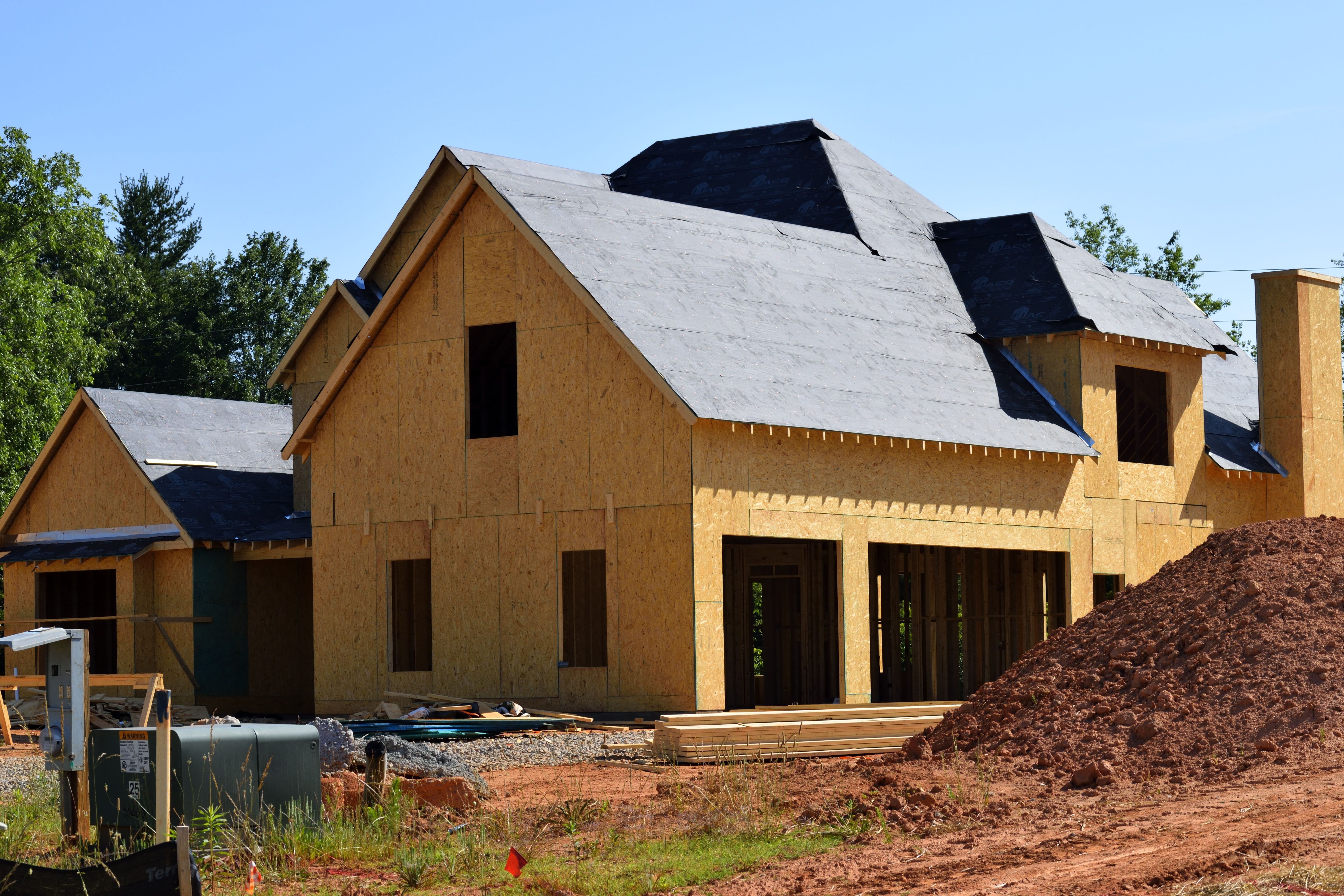
To transform an outdated property into amodern, functional, and energy-efficient living space, the renovation of fullhome is an exciting opportunity. Whether a recently purchased home is beingrenovated, an aging property is being upgraded, or a home is being prepared forlong-term family living, realistic expectations are set by understanding theproject timeline.
The homeowners usually ask How long will myrenovation take? And the answer always depends on several factors which includethe size of home, project complexity, requirements for permit, availability ofcontractor, material lead times and the condition of site. According to the2025 U.S. Houzz & Home Study, continued investment in large-scaleremodeling projects is being made by homeowners despite economic uncertainty,with renovations being chosen over moving by many due to limited housinginventory and elevated home prices.
As demand for remodeling services grows,greater importance has been placed on professional project management andcareful scheduling than ever before. Realistic home renovation timelines, thefactors influencing practical tips and project durations to help keep therenovation on schedule are explained in this guide.
Multiple areas of the property aretypically updated during a full home renovation rather than a single room beingremodeled. The projects may include additional room construction, kitchenrenovation, replacement of floor, bathroom remodeling, replacement of plumbingsystems, and Upgradation of electrical systems.
It also includes window and doorimprovements, structural improvements, replacement of roof, installation ofHVAC systems, interior and exterior paintwork, and energy efficiency upgrades. Becauseseveral trades are carried out simultaneously, an efficient schedule can bemaintained through proper planning.
Although every project is unique, most fullhome renovations are generally completed within 4 to 12 months from planning tocompletion. The estimated timeline for cosmetic renovation ranges between 1 to3 months, partial home remodel takes 3 to 6 months while full home renovationtakes 4 to 12 months.
The major structural renovation takes 18 to15 months, and the whole house renovation with additions will take 10 to 18months. Additional time may be required for older homes that require structuralrepairs or upgrades of extensive system.
An estimated time of 3 to 8 weeks isrequired for planning and design. Careful planning is required for everysuccessful renovation. The activities include preparation of budget,establishing project goals, taking property measurements, and selectingarchitects or designers.
It also includes developing constructiondrawings, evaluating material options, and choosing finishes. Fewerconstruction delays are typically experienced when design decisions are madeearly by homeowners.
For building approvals and permits, theestimated time taken to complete the process is about 2 to 8 weeks. Permits arerequired for many renovation projects before construction begins. Commonpermits include electrical work permits, mechanical system permits,construction permits, structural permits, and plumbing work permits.
Permit timelines are determined by localbuilding departments and project complexity. Approval times can besignificantly reduced by submitting complete plans and responding promptly tocorrection requests.
The home renovation timeline can be dividedinto different phases, with Planning & Design for 10%, Permits accountingfor 10%, Demolition accounting for 5%, Structural Repairs accounting for 10%,Mechanical Systems accounting for 15%, Insulation & Drywall accounting for10%, Interior Finishes accounting for 20%, Exterior Work accounting for 15%,and 5% for Final Inspection of the total project duration. The total durationof a full home renovation is 4 to 12 months.
The estimated time period for demolitionphase is required about 1 to 3 weeks. Demolition is carried out after thepermits are approved.
Removal of flooring, cabinet removal,removal of ceiling, debris disposal, demolition of walls, and removal offixtures are the activities included in demolition process.
Approximately 2 to 6 weeks is the estimatedtime period for structural repairs. If structural improvements are necessary,they are completed before rebuilding begins.
The examples include framing of walls,replacement of beams, reinforcement of the roofs, repair of foundations, andleveling of floors. The foundation for all remaining phases of construction isformed by structural work.
For the completion of mechanical systems,the estimated time is about 2 to 5 weeks. The licensed professionals install orupgrade electrical, plumbing, and HVAC systems during this phase. Electricalservice planners, wiring, smart home technology, and lighting systems areincluded in electrical work.
Drainage piping systems, water heatingsystems, and water lines are included in plumbing works. Ventilation systems,air conditioning systems, air duct systems, and heating equipment are includedin HVAC system works. Inspections are completed before walls are enclosed.
The estimated time period for thecompletion of drywall and insulation work is about 1 to 3 weeks. Insulation isinstalled to improve indoor comfort and energy efficiency as soon as theinspections are approved.
Ceilings and finished walls are created bydrywall installation. After workers complete mudding, taping, priming andsanding they prepare the interior for finishing work.
Estimate time is about 4 to 10 weeks. The house is transformed into a livable homeduring this stage. Common tasks include countertop installation, interiorpainting, installation of interior works, cabinet installation, andinstallation of flooring.
It also includes installation of tiles,trim installations, appliance installations, installation of plumbing fixtures,and installation of lighting fixtures. Because many trades are carried outduring this phase, effective scheduling is required.
The interior finishing phase can be dividedinto different tasks, it includes 20% for flooring, cabinets accounting for15%, countertops for 10%, painting accounting for 20%, trim accounting for 15%,lighting for 5%, fixtures accounting for 10%, and 5% final touch-ups of thetotal finishing work.
For improving exteriors, the estimatedtimeline is about 2 to 6 weeks. The exterior work may include doorinstallation, window installation, roof installation, stucco application, andsiding installations. It also includes deck installation, landscapeimprovements, exterior lighting installation, and driveway installation.
Construction of exterior schedules can besignificantly influenced by weather conditions.
The estimated time is required about 1 to 2weeks for final process. A comprehensive inspection is conducted by contractorsbefore project completion.
The final activities include painttouch-ups, construction inspections, adjustment of fixtures, and qualityinspections. It also includes final cleaning, final project walkthrough, andtesting of appliances. Any remaining punch-list items are addressed beforeproject closeout.
Every renovation is considered unique.Construction schedules can be extended or shortened by several factors.
HomeSize
More labor and coordination are naturallyrequired for larger homes.
ProjectComplexity
More inspections, construction andengineering time are typically required for structural modifications than forcosmetic renovations.
PermitDelays
Municipal review periods are determined bythe city and county.
MaterialAvailability
Extended lead times may be required forspecialty windows, custom cabinetry, premium appliances and imported tile.
Weather
Foundation work, painting, exterior andRoofing construction can be delayed by extreme temperatures, rain, and highwinds.
ChangeOrders
Both the budget and the schedule are oftenaffected by design modifications made after construction begins.
CurrentIndustry Trends
New technologies that improve schedulingand efficiency continue to be adopted by the remodeling industry.
DigitalProject Management
The contractor is increasing the usecloud-based software to track the budget, upload the photos of progress,sharing of schedules, material selection approval and management of changeorders.
Prefabrication
Installation time is reduced while qualitycontrol is improved by factory-built components.
SmartHome Integration
The modern renovations increasingly includehome security systems, automated climate control systems, electrical vehiclecharging systems, smart light systems, and whole-home network systems.
SustainableRemodeling
The growing demand for environmentallyresponsible homes has increased the use of energy efficient window systems, lowVOC paint products, high performance insulation materials, heat pump HVACsolutions, and solar-ready electrical solutions
Delays can be reduced by homeowners byfollowing several best practices.
To avoid shipping delays the materialsshould be selected early and before starting the construction the designdecisions should be finalized. The project meetings should be scheduledregularly, while the hiring of contractor should be always based on theirlicense & experience and the contractor's questions should be answeredquickly.
Before work begins, the permit requirementsshould be verified, during construction process frequent design changes shouldbe avoided, and a contingency budget should be maintained for unforeseenissues. Project momentum is maintained most effectively through strongcommunication between homeowners, designers, and contractors.
Several long-term advantages are providedby a carefully planned renovation. The benefits include enhanced workmanship,lower project delays, increased energy efficiency, improved budget control, andreduced construction conflicts. It also includes improved scheduling ofsubcontracts, improved homeowner satisfaction, and higher property value.
Both money and time are often saved throughpreparation before demolition begins.
Conclusion
An Experienced professionals, thoughtfulplanning and realistic expectations, are required for a full home renovation,as it is considered a complex project. While a timeline of 4 to 12 months istypically required for most whole-house renovations, the overall timeline canbe influenced by factors such as structural repairs, permitting, projectcomplexity and weather.
Understanding the each renovation phase,that is from designing and permitting to demolition, final inspections, andconstructions, helps the homeowners to plan effectively. It also helps thehomeowners to minimize the unnecessary delays.
Throughout the project early decisionsmaking, maintaining clear communication, and working with licensed contractors,the homeowners can transform their property into comfortable, efficient, andmodern home. This approach helps the homeowners to ensure that the renovationstays on stays within budget and on schedule.
