The two primary sectors of the constructionindustry are broadly divided into commercial construction and residentialconstruction. While structures are designed and built in both sectors,significant differences are observed in project materials, scope, regulations,budgets, management practices and timelines.
The importance of understanding thesedifferences is recognized by developers, property owners, business owners andinvestors planning a construction project. The success of a project can begreatly influenced by the selection of a suitable contractor with relevantexperience, whether a retail store is constructed, a custom home is built, awarehouse is developed an office is remodeled.
According to the U.S. Census Bureau, strongconstruction spending in the United States continues to be maintained, withsignificant contributions to economic growth being made by both residential andnon-residential sectors. The future of the construction industry continues tobe influenced by increased investment in infrastructure, healthcare buildings,sustainable housing and industrial facilities.
The key differences between commercial andresidential construction are explored in this guide who helps the propertyowners to understand the unique requirements of each.
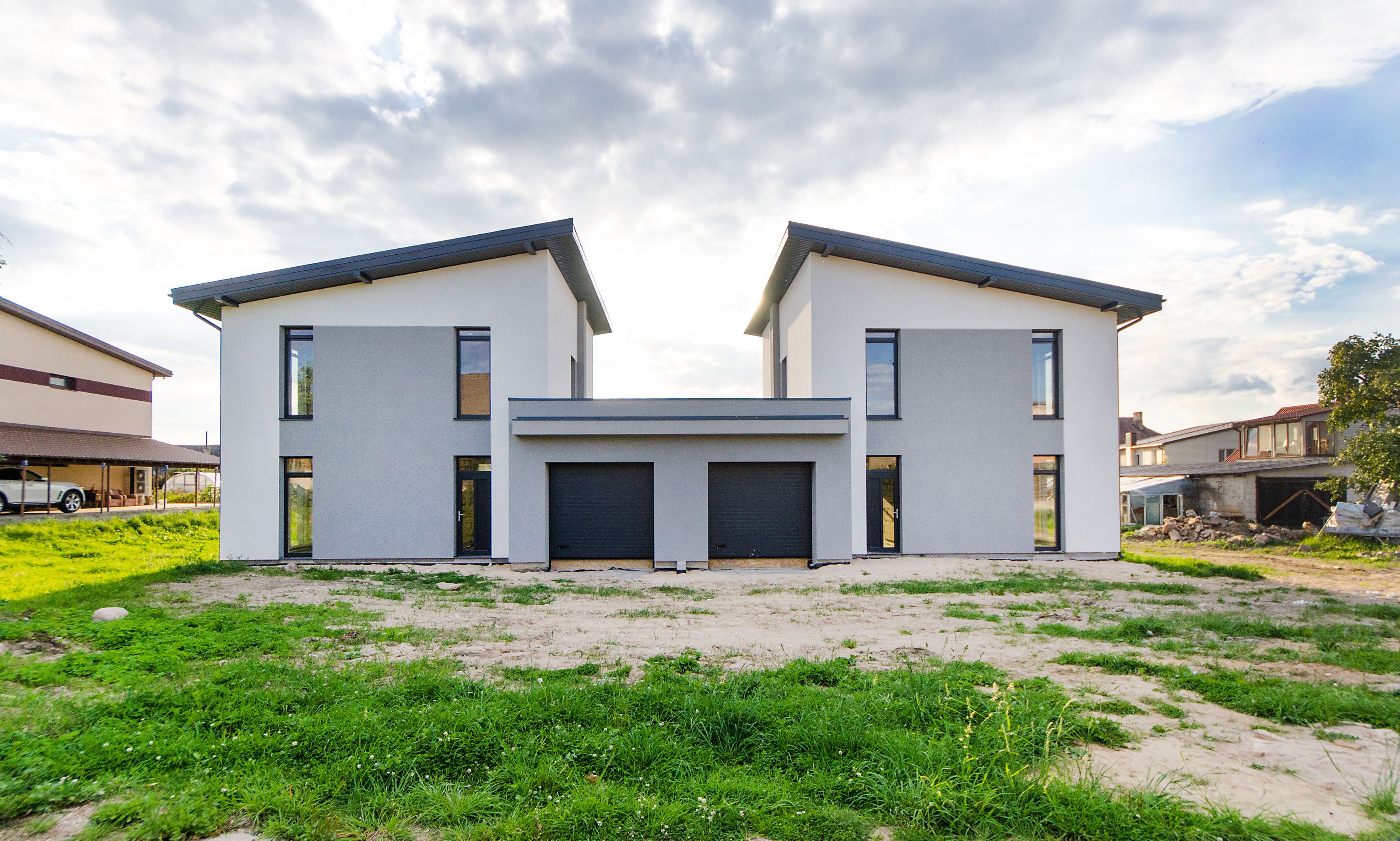
The buildings designed primarily for peopleto live in are the focus of residential construction. The most commonresidential projects include custom designed homes, single family residence,apartment buildings, condominium residence, townhouse developments, residentialhome additions, accessory dwelling units, complete whole house renovations andduplex residential properties.
Generally prioritizing aesthetics, energyefficiency, lifestyle needs and comfort the residential projects focus oncreating functional and comfortable living spaces.
Buildings intended for industrial,business, public or institutional use are involved in commercial construction.The examples include commercial shopping centers, retail store locations,office building facilities, hospital facilities, hotel properties, educationalschool buildings, restaurant facilities, warehouse facilities, distributioncenter facilities and manufacturing plants & facilities.
To support business operations whilemeeting occupancy requirements, strict safety standards and accessibilityregulations the commercial projects are carefully designed and developed.
1.Project Size
Smaller size and lower complexity thancommercial developments are generally associated with residential projects. Buildinghouses, addition of room, kitchen remodels, ADUs and renovation of bathroomsare included in residential projects. The office buildings, warehouses,shopping complexes, hospitals and manufacturing plants are included incommercial projects. Significantly larger footprints, multiple floors andspecialized infrastructure are often involved in commercial buildings.
2.Building Codes and Regulations
Compliance with local building regulationsis required for both project types, but stricter requirements are typicallyfaced by commercial buildings. Residential projects primarily follow buildingcodes for residential construction, local zoning regulations and standards forresidential energy efficiency.
Commercial project must additionally complywith accessibility requirements &standards, occupancy classificationrequirements, fire safety protection systems, commercial mechanicalinfrastructure, commercial electrical infrastructure, health & safetycompliance regulations and emergency exit routes. Commercial permitting oftenrequires review from multiple government agencies.
3.Design Complexity
Personal preferences and comfort areprioritized in residential architecture. Typical considerations includeefficient kitchen layouts, open floor plan designs, outdoor living areas,storage spaces, residential energy efficiency and personal privacyconsiderations.
Operational efficiency is emphasized incommercial design. Common priorities include employee efficiency andproductivity, functional equipment layout, efficient customer flow, safetystandards, future expansion plans, corporate brand identity and accessibilityrequirements.
4.Construction Materials
Residential construction commonly usesvinyl framed windows, asphalt shingle roofing, wood framing systems,residential grade drywall, standard thermal insulation and composite roofshingles. The Commercial construction frequently incorporates exterior curtainwall system, reinforced concrete systems, structural steel framing, commercialroofing systems, heavy-duty mechanical installations and fire-rated wallassemblies.
Selection of these materials is based ondurability, long-term performance and load capacity.
Infographic:Typical Construction Materials
For wood framing 40% of the materials used,followed by drywall at 30%, asphalt roofing at 20% and 10% for vinyl windows inresidential construction. Structural steel accounts for approximately 35% ofthe materials used, followed by reinforced concrete at 30%, glass curtain wallsystems at 20% and 15% fire-rated systems in commercial construction.
5.Construction Timeline
Residential projects generally require lesstime. Typical project durations vary depending on the type of construction. Abathroom remodel usually takes 3–6 weeks, a kitchen remodel takes 6–12 weeks, aroom addition takes 3–8 months and a custom home may take 10–18 months tocomplete.
Commercial project durations vary based onthe type of building. Office buildings usually take 8–18 months, hotels take12–24 months, hospitals take 24–48 months and industrial facilities may take12–36 months to complete. Longer commercial schedules are often the result oflarger project teams and extensive inspections.
6.Budget and Financing
Residential financing often includes loansfor residential construction, home equity loan financing, personal savings,funds and home mortgage financing. Commercial projects typically involveprivate equity funding, business funding, institutional investor financing,partnership investments and commercial real estate loan financing.
Higher contingency reserves are frequentlyincluded in commercial budgets due to project complexity.
7.Project Management
Smaller teams are usually involved inresidential construction. Typical participants include building contractor,residential home owner, professional interior designer, skilled trades’ peopleand residential architect.
Commercial construction requires broadercoordination among building owners, licensed architects, property developers,commercial construction managers, professional engineers, construction projectmanagers, professional consultant, multi-specialized subcontracts andgovernment building inspectors. Documentation, procurement, inspections andschedules are commonly coordinated using dedicated project management software.
8.Safety Requirements
The importance of construction safety isrecognized in every project, but more stringent workplace safety protocols areoften required in commercial construction. Commercial job sites may includecrane operation procedures, fall protection measures, heavy equipmentmanagement systems, confined space safety procedures, daily safety briefingmeetings, detailed safety risk assessment and comprehensive safety trainingprograms.
Workplace accidents are reduced andregulatory compliance is maintained through these measures.
9.Technology Integration
Both sectors are being reshaped bytechnology, though advanced digital tools are typically adopted moreextensively in commercial projects. Modern technologies include drone-assistedsite inspection, laser scanning technology, building information modelingsystems, digital project management software platforms, artificialintelligence-based scheduling, intelligent building automation, prefabricatedstructural components and virtual reality design review tools.
Smart home systems, energy monitoring, andconnected security solutions are increasingly being incorporated into new homesand major renovations by residential builders.
In residential construction the projecttimeline accounts for 30% of the overall project considerations, followed byproject size at 25%, project complexity at 25% and 20% project budget. In commercial construction the project size& project complexity each account for 30% of the overall projectconsiderations, while 20% allotted for project timeline and project budget.
CurrentIndustry Trends
The construction industry continues to betransformed by innovation and sustainability.
SustainableConstruction
Both sectors including the prioritize,infrastructure for solar readiness, energy-efficient insulation materials, heatpump-based HVAC systems, low-carbon construction material, water-saving fixtureinstallation and high-performance windows and glazing.
ModularConstruction
Quality control is improved, material wasteis minimized and construction time is reduced by prefabricated buildingcomponents.
SmartBuildings
Commercial facilities increasinglyincorporate intelligent HVAC technological systems, automated lightingcontrols, predictive equipment maintenance, smart building analytics andoccupancy sensor systems.
Meanwhile, residential homeowners continueadopting smart home security solutions, smart thermostat technology,residential electric vehicle charging stations and voice-controlled smart homeautomation.
LaborShortages
The construction industry continues to beimpacted by skilled labor a shortage which leads to investments in digitalcollaboration tools, productivity-enhancing technologies and workforce trainingby contractors.
The selection of a contractor with relevantexperience is considered critical. Residential projects look for expertise incustom-designed homes, residential additions, kitchen renovation projects,residential home remodeling, residential building code compliance and bathroomremodeling projects.
For commercial buildings, prioritizecontractors experienced with commercial permitting procedures, large-scaleconstruction scheduling, fire protection system requirements, complexmechanical system management, multi-trade coordination process andaccessibility compliance regulations. Insurance, licenses, references, safetyrecords and project portfolios should be reviewed before a final decision ismade.
Benefitsof Understanding the Differences
The understanding of the differencesbetween commercial and residential construction supports the establishment ofpractical and realistic budgets and the selection of qualified contractors. Italso helps with the preparation for necessary permitting requirements,understanding project completion timelines, reducing construction projectrisks, making informed financial investment decisions and improvingcommunication processes.
Unique challenges are presented by everyconstruction project, and the likelihood of a successful outcome is increasedby selecting professionals with the appropriate experience.
Conclusion
Although fundamental building principlesare shared by residential and commercial construction, substantial differencesare seen in materials, scale, complexity, regulations, financial requirementsand project management. Personalization, family living and comfort areemphasized in residential construction, while regulatory compliance,durability, business functionality and operational efficiency are focused on incommercial construction.
As digital technologies, modular buildingmethods, smart infrastructure and sustainable materials continue to be adoptedby the construction industry, both sectors are being made more environmentallyresponsible and energy efficient. Whether a office building, retail space, industrial facility or customhome is being planned, better decisions can be made, expectations can bemanaged and long-term project success can be achieved by property owners anddevelopers through an understanding of these differences.
