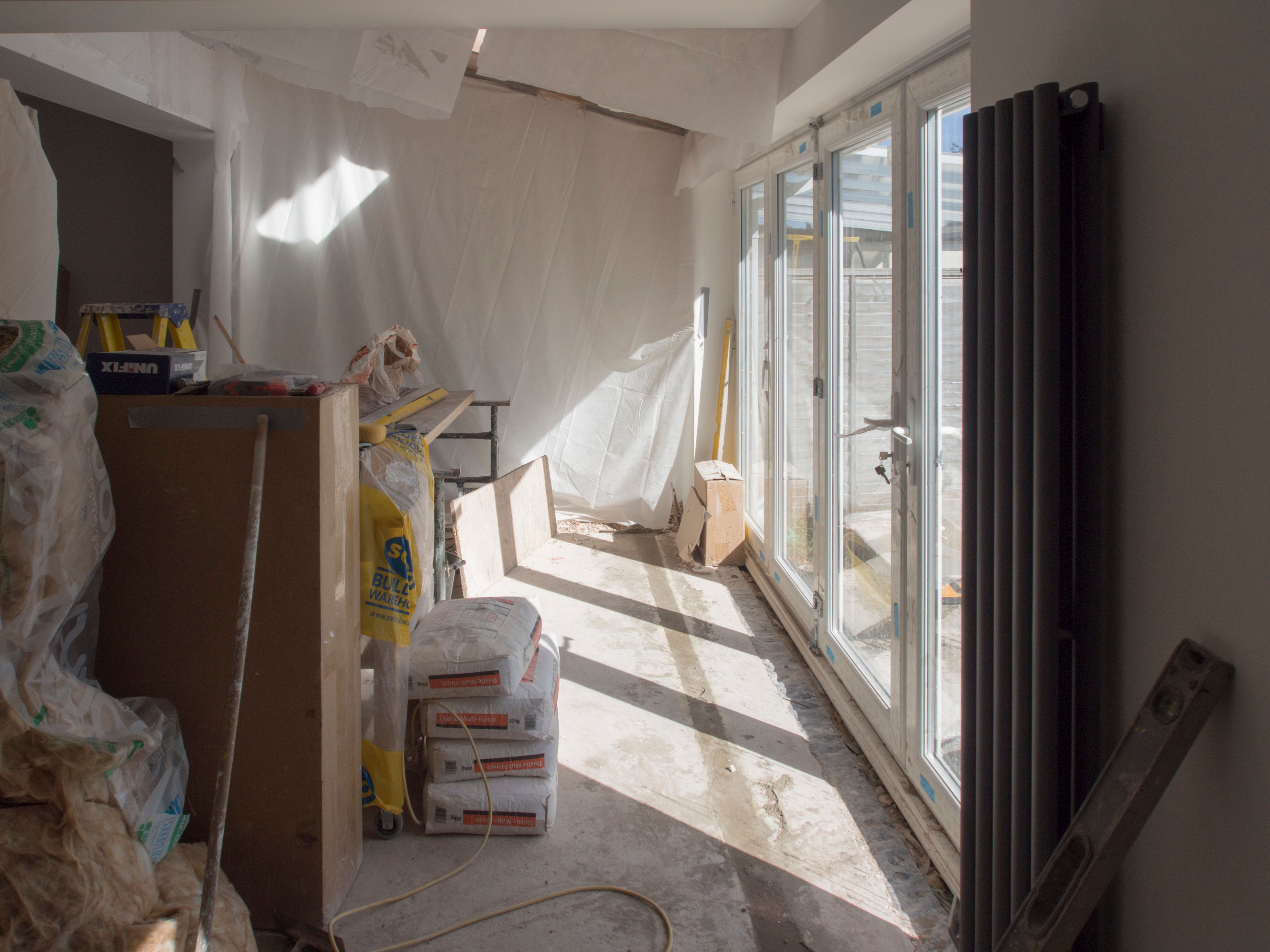
InSouthern California, commercial space must be built in compliance with seismicrules and strict energy codes. The permitting system also varies from city tocity. A different timeline is followed by a project in Irvine than by one inLos Angeles or San Diego. The market, the regulations that drive cost andschedule, delivery methods, and contractor selection are covered in this guide.The build process from site to occupancy is also explained. Sharper questionsshould be asked with it before anything is signed.
Anybuilding that houses business activity rather than single-family living iscovered by commercial construction. In practice, the region is dominated byfour project types.
NewGround-Up Buildings
Office,retail, medical, hospitality, and industrial buildings fall here. The greatestlevel of control with regard to design and risk is associated with ground-upconstruction.
TenantImprovements
A tenant improvement (TI) is usedto fit out leased space for a specific occupant. TI projects are faster thannew building construction. The timetable is usually dictated by the landlord'sbase building standards, insurance needs, and list of approved contractors. Thelease work letter should be read before a designer is hired.
Renovations and Adaptive Reuse
An old warehouse, office, orretail center is often considered cheaper to convert into a new use than tobuild new. It is often found to cost less in structure and more in surprises.Seismic upgrades, accessibility corrections, and hazardous-material surveys canbe triggered in older buildings once the scope is opened by permit officials.
Industrial and Logistics
Distributioncenters and warehouses form clusters near the Ports of Los Angeles and LongBeach, and within the Inland Empire. For such facilities, large-sized lots,extensive power supply, circulation of trucks, and fire protection provisionsfor high-piled storage must be provided.
Very different construction environments are found across “SouthernCalifornia.” Each sub-market should be treated as its own project context.
The county of Los Angeles has dense infill sites, layered municipallaws, and significant presence of its entertainment, medical and logisticsbase. The Los Angeles Department of Building and Safety (LADBS) conducts one ofthe largest plan check program in the state, whereas others perform similaroperations in smaller neighboring cities.
Mostly suburban office, retail, and light industrial work are found inOrange County, with plan review and design standards controlled by each city.San Diego County has life sciences, military-related, and coastal development,where coastal regulations and hilly terrain impact many properties.
In contrast, the Inland Empire (Riverside & San Bernardino counties)has bigger lots with an emphasis on warehouses and logistics operations.Schedules are often limited more by power availability and road improvementsthan by construction labor.
CaliforniaBuilding Standards (Title 24)
Thestate's building codes are covered under Title 24. The California Building Code(Part 2), the California Energy Code (Part 6), and CALGreen (Part 11) mattermost too commercial owners.
The codeis updated on a three-year cycle by the California Building StandardsCommission. Which edition applies on the date you submit for permit must beconfirmed by your design team.
Seismicand Geologic Rules
Structural costs across the region are driven by earthquake design.Site-level requirements are also added by two state laws. The Alquist-PrioloEarthquake Fault Zone Act prohibits construction on fault lines.
The Seismic Hazards Mapping Act covers liquefaction and landslide zones.Before design can finish, a site-specific investigation may be required. Ifyour parcel sits inside either zone type, a geotechnical or fault investigationcan be expected.
EnvironmentalReview under CEQA
When a project needs a discretionary approval, such as a conditional usepermit or a zone change, the California Environmental Quality Act applies. Theproject that is consistent with the prevailing zoning and requires onlyministerial approvals does not undergo CEQA review.
That distinction can separate a few months of schedule from severalyears. Approvals necessary for your development will need to be determinedprior to purchasing the land by your land use lawyer or entitlement consultant.
CoastalZone Projects
The California Coastal Commission or local government usually requires acoastal development permit for a site inside the coastal zone. Standardbuilding permits are also required. Public hearings and design conditions, suchas height limits and view protection, can be added through coastal permits.
Fire,Wildfire, and Accessibility
Sprinklerdesign, fire-department access, and water supply are reviewed by the local fireauthority. In Chapter 7A of the building code, wildland-urban interfacerequirements must be followed by sites near wildland areas. Accessibility rules in Chapter 11B of theCalifornia Building Code often exceed the federal ADA, so design to thestricter standard.
Choosing aDelivery Method
Whocarries design risk, how early the contractor joins, and how cost changes arehandled are determined by your delivery method.
Indesign-bid-build, the design is completed first, and contractors then bid onthe complete drawings. You get price competition and a clear scope. Inaddition, you create a separation between design and constructionresponsibilities, creating room for change orders due to incomplete drawings.
Indesign-build, one entity handles both design and construction. This methodcompresses schedules and gives you a single point of accountability. It worksbest when you can define your program clearly up front. It works poorly whenyou expect to redesign midstream.
Under theconstruction manager at-risk contract (CMAR), the contractor is a part of thedesign process and gives guidance regarding costs and constructability. Thecontractor then commits to a guaranteed maximum price (GMP). You gain earlycost feedback, but you lose the pure price competition of open bidding.
No methodis guaranteed to win every time. A small tenant improvement with a fixed floorplan is often suited to design-bid-build. A complex medical or industrialfacility with a tight opening date is usually better served by design-build orCMAR.
Publishedcost-per-square-foot figures are often found to be more misleading than helpfulbecause totals are widely affected by project type, finish level, and siteconditions. Your budget should instead be based on these drivers.
Buildingtype affects cost. There is a huge cost difference between a shell warehouseand a functioning medical office due to the mechanical, electrical, andplumbing demands of each one. Structural and geotechnical conditions can affectfoundation costs. Poor soils, fault setbacks, and liquefaction mitigation canadd costs before a floor is poured.
Permit andentitlement fees vary according to location, and there are also developmentfees added by some cities to the plan-check and permit fees. Utility upgradescan involve new electrical service, transformers, and sewer or waterconnections. These upgrades can cost significant amounts and take significanttime.
Labor andmaterial markets affect regional pricing as demand changes. Current benchmarksare provided in published construction cost surveys from firms such as Cumming,Rider Levett Bucknall, and Turner & Townsend. Major Southern Californiamarkets are tracked in these surveys.
A designcontingency should be carried during early design, and a separate constructioncontingency should be carried once the drawings are complete. Which risks havealready been priced are lost track of when the two are merged by owners.
How toChoose a Commercial Contractor
Start withthe license. Contractor licenses are issued by the Contractors State LicenseBoard (CSLB) for the state of California, and the CSLB’s searchable databasedisplays the licensing status, classification, bond, and complaints.
Class Alicenses cover general engineering work such as roads and pipelines, while ageneral building contractor holds a Class B license. Specialty trades hold C-class licenses. Thentest for fit, not just credentials.
In LosAngeles, a contractor responsible for building warehouses in Fontana can havedifficulty with a hospital tenant improvement. Projects of similar size, use,and jurisdiction should be requested. Call recent clients and ask how thecontractor handled changes, closeout, and punch-list work.
Bondingcapacity and insurance limits should be confirmed with your own insuranceadvisor. Bids should be compared line by line rather than by bottom number.Change orders often appear later when a low bid is submitted with thin generalconditions.
The program and budget should be described by defining the use, size,quality level, start date, and funding limitations in written form. Diligenceneeds to be done to find out the following: zoning, utility capacity, soils,fault zones, flood zones, and environmental history.
This diligence should be done before the purchase or lease agreement issigned. Achieve complete entitlements through acquiring all necessaryapprovals, which includes CEQA compliance and coastal approvals, whenapplicable. The design team should be hired and a delivery method selected,with the contractor brought in early if design-build or CMAR is chosen.
The design should be developed and submitted for plan check. Plan-checkcomments should be addressed quickly because slow responses can cause moredelay than the review itself. Many jurisdictions offer expedited or third-partyplan review for an added fee.
Price and contract the work by locking the scope, schedule, paymentterms, retention, and change-order procedures into the contract. Coordinate allnecessary inspections prior to construction to ensure that all the work is notstopped due to a failed or missed inspection.
Conclude the project by securing final inspection approvals, thecertificate of occupancy, and warranties. Gather as-built drawings, lienwaivers, and operations manuals.
FrequentlyAsked Questions
What isthe price of commercial construction in Southern California?
No single number applies. Local fees, building type, finish level, siteconditions, and utility needs determine the cost. A conceptual estimate shouldbe requested from two or three local contractors or cost consultants based onyour program and site. The estimate should then be refined as designprogresses.
How longdoes a commercial building project take?
Schedule splits into entitlement, design and permitting, andconstruction. Months can be required for construction of a modest building.Longer periods can be required for entitlement and plan check on a complex ordiscretionary project, sometimes longer than the build itself. The middle phase is best predicted by yourjurisdiction's current plan-check turnaround.
Is thereany difference between a general contractor and a construction manager?
There is a difference. There is a license that is possessed by a generalcontractor and the project is constructed, normally at a set price orguaranteed maximum cost. A construction manager may act as your adviserfor a fee, or may act as a construction manager at risk who also guaranteesprice. The contract should be reviewed to determine who carries cost andschedule risk.
Do I needa licensed contractor for a tenant improvement?
In most cases, yes. Contracting work above a small dollar threshold mustbe licensed in California, and licensed, insured contractors are usuallyrequired by landlords regardless. The contractor's status on the CSLB websiteshould be checked before you sign.
What isthe difference between design-build and design-bid-build?
Design-bid-build means that you get a designer first, and then bid outthe completed drawings to builders. The design/build process involves a singlecontractor handling the design and construction phases under one contract.Design-build is usually completed faster, while more direct price competitionis provided by design-bid-build.
Does CEQAapply to every commercial project?
No. Projects that need discretionary government approval are subject toCEQA. A project that meets existing zoning and requires only ministerialpermits is generally excluded from full review. Exemptions and exceptions varyby case, so confirmation should be obtained from your land-use counsel.
Conclusion
Successful commercialconstruction in Southern California is achieved by front-loading decisionsthrough the selection of the right site and the understanding of the regulatorypath. A delivery method that fits your project should be picked, and a contractorwho has built something like yours in your jurisdiction should be hired. Thosefour points should be settled before design starts, and most of the expensivesurprises can then be avoided.
