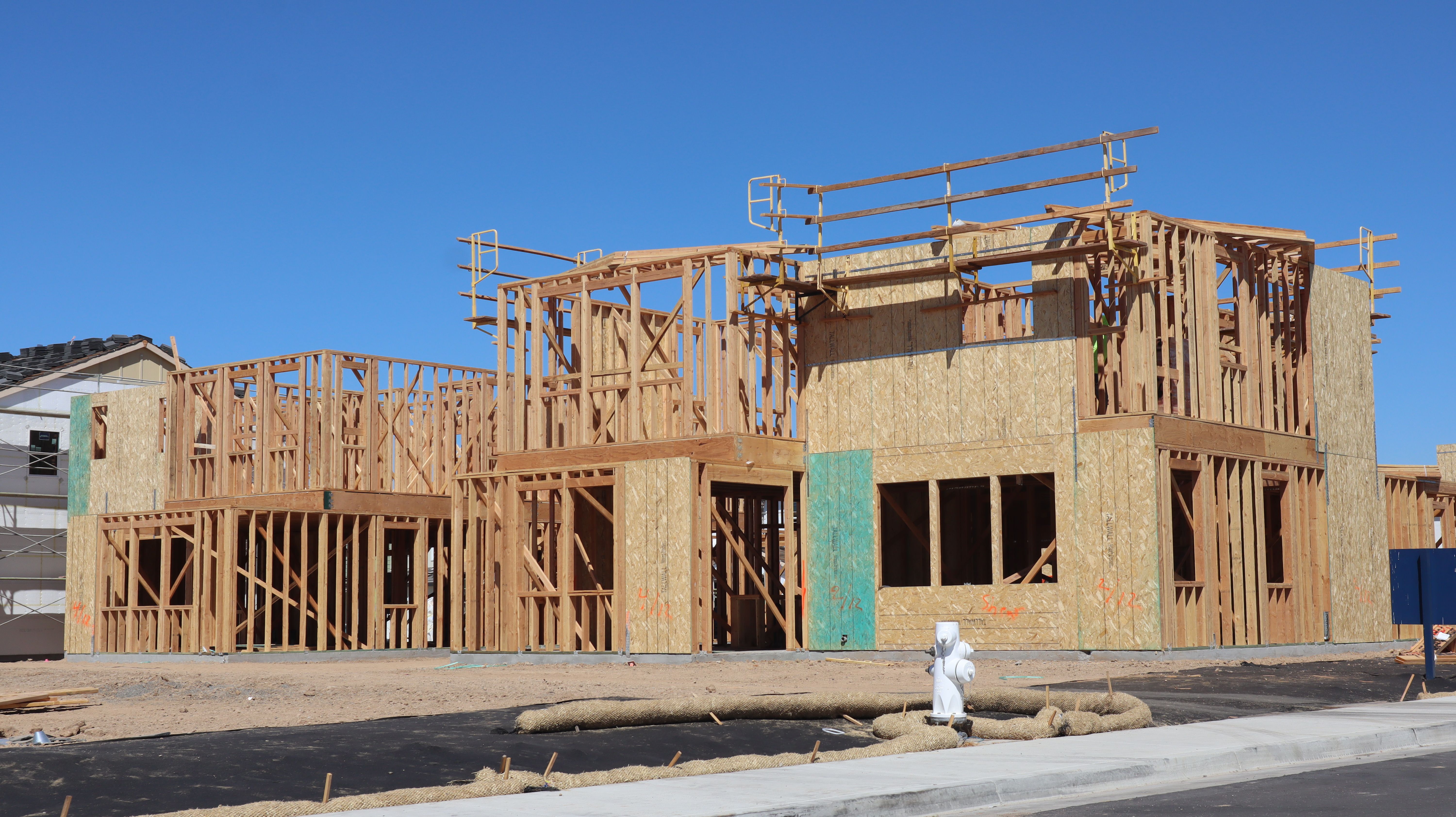
Adding rooms is becoming an increasingly favoured choice ofhome improvement for those homeowners looking to increase the size of theircurrent living space without relocating. Room additions serve as the perfectsolution for dealing with lifestyle changes, along with the added advantage ofpotentially raising property values, as they can be used to add rooms likebedrooms, offices, family rooms, sunrooms, guest rooms and second floors.
Many homeowners today are opting to enlarge their currenthomes due to the high cost of home prices, rather than buying a new property.
Flexible living environments are increasingly needed bymodern family.
Factors that are driving the growing popularity of roomadditions, include growing families, requirements for remote work,multigenerational living and rising home prices. Homeowners also pursue roomadditions to improve home value and create better lifestyle functionality.
Room addition demands 26% for family room, 22% for primarysuite, 18% for home office and 14% for extra bedrooms. This also includes 10%for sunroom, 7% for second story expansion and others 3%. According to industryprofessionals, additional square footage remains one of the strongestcontributors to homeowner's satisfaction.
What Is a Room Addition?
Expanding the existing footprint or vertical space of a hometo create new usable living areas involves a room addition.
Common Types of Room Additions:
A bedroom addition creates additional sleeping space, afamily room provides an expanded gathering area and a home office offers adedicated work environment. A bathroom addition improves household convenience,a sunroom creates an indoor-outdoor living space, a second-story addition addsfull upper-level space and a primary suite includes a bedroom plus a privatebathroom.
An ideal addition depends on budget and lot of constraints,along with household goals.
Additional usable square footage is the most obviousadvantage. Extra space helps homeowners to reduces overcrowding, improvesprivacy, increases organization and supports changing family needs.
Typical Added Space:
Adding a bedroom varies between 150–300 sq. ft., adding asmall room varies between 120–200 sq. ft., adding a family room varies between250–500 sq. ft. and a large addition vary between 500 sq. ft. and 1,000 or moresq. ft. The extra room will normally completely change the dynamics of thefamily life in their home.
The Addition of room frequently increase resale value. Thevalue is driven by increasing square footage, improving functionality,enhancing buyer appeal and modernizing layouts. Bedroom additions and bathroomadditions have the highest potential value influence, followed by family rooms,luxury expansions and offices. Usable living space remains highly desirable inmost housing markets, but not all additions deliver identical returns.
Often, moving to a larger house includes hidden expenses. Thecommon relocation cost includes agent commission, closing costs, movingservices, deposits, replacement of furniture and mortgage charges. Expandingthe current home becomes more economical for many homeowners.
Comparison:
Moving typically involves transaction and moving costs,while adding a room requires a construction investment. Homeowners remain in neighbourhoodsthey already enjoy through room additions.
Lifestyles continue to evolve in modern times.
Additional rooms can support:
Remote work:
With dedicated office spaces, privacy, productivity andprofessional appearance are improved.
Learning and education:
Family rooms including the three study areas, home bookrooms and creative spaces.
Recreation and wellness:
Options for wellness and recreation range from home gym andyoga studio to media rooms and hobby space. Daily quality of life can beimproved by functional home layout.
Many households now include old parents, adult children andextended family members. While maintaining privacy, room additions provideflexibility. Common Solutions are guest accommodations, private bathrooms,ground-level accessibility and separate entrance. The residential constructionindustry continues to be influenced by such developments.
To generate supplemental income, some homeowners designadditional rooms. The potential use of additional rooms includes a bedroomsuite for long-term rent, a detached room uses for guest accommodation, and astudio space uses for a home business. Over time, income-producing additionscan help offset construction costs.
Existing systems are often upgraded as part of roomadditions. The improvement includes improved insulation, energy-efficientwindow, HVAC improvement, smart home control and enhanced lights
Impact on efficiency
The benefits of insulation reduce the energy loss, the HVACimproves comfort, smart controls lower the utility usage and windows givebetter thermal performance. With energy-efficient additions, long-termoperating costs may improve.
Typical Room Addition Costs:
Depending on project complexity the cost may varysignificantly.
Average Construction Costs:
A bedroom is priced between $30k and $100k, a small roombetween $20k and $60k, a family room between $40k and $150k, a master suitebetween $80k and $250k, and a second-floor addition between $150k and above$500k. Increase in overall budgets can be substantial with luxury finishes.
Example Budget Breakdown:
Room addition costs are commonly allocated among foundation10%, framing 18%, roofing work 7%, electrical work 8%, plumbing 8%, HVACsystems 7%, and 22% of interior finishes. Additional cost allocations includedoors and windows 8%, permits 3% and 9% of contingency expenses.
Maintaining a contingency reserve of at least 10% isrecommended by most contractors.
Timeline for Room Additions:
The project timeline for planning is 2 to 6 weeks, designing2 to 8 weeks, permitting 2 to 10 weeks, for construction the duration takes 2to 6 months, and for final inspection it is about 1 to 2 weeks. The totalaverage duration is about 3 to 8 months. Longer timelines may be required forprojects involving structural modifications.
Industry News and Emerging Trends:
Room addition projects in 2026 continue shaping severaltrends.
Flexible Space:
Homeowners are increasingly preferring rooms that servemultiple purposes. For example, an office combined with a guest room, a gymcombined with a recreation room and a study combined with a media room.
Smart Home Integrations:
Today’s most popular additions are automated lights, smartclimate control, voice-enabled devices and energy monitoring systems.
Wellness-Focused Design:
Natural lights, improving air quality, acoustic comfort andindoor-outdoor connectivity are areas of growing interest. Health-orienteddesign continuously gains attention in residential construction.
Mistakes to Avoid:
Budget underestimation
Costs beyond expectations may arise due to site condition,utility upgrade, materials delay and design modification.
Ignorance of Long-Term Needs:
Design with future flexibility in mind rather than justimmediate needs.
Choosing Design Over Function:
Spaces should be both beautiful and practical for everydayuse.
Skipping Permits:
Unapproved construction can create insurance issue, resalecomplication and legal concern.
Planning Checklist for additional room
Before starting construction, define project goals,establish a realistic budget, confirm zoning requirements, hire qualifiedexperts and obtain permits are to be checked.
During construction, track expenses, review inspections,document changes and verify quality standards are to be checked for additionalroom planning.
After completing construction, insurance updates, preservingwarranties and evaluating energy performance are to be checked.
Conclusion
Adding more rooms is a strategic way that helps homeownersto have more space, enhance their living arrangements and increase the value oftheir properties without relocating. However, the ideal strategy would includecreating an addition that allows one to adjust his/her needs and lifestyle as aresult of new options available such as a new bedroom, office space, commonarea, and guest room.
Although additions to rooms involve significant investmentand careful planning, they will provide you with great benefits in terms ofcomfort, increased efficiency, resale value, and more pleasant living. As thedesigns of houses become flexible in their uses, room additions can beconsidered one of the most important house improvement options.
